The Seventh Year of Running my Membership Program
The goodness of a membership program compounds, and starts paying big dividends
Hello there. I’m Craig Mod. And we just entered Year Eight of my SPECIAL PROJECTS membership program. Time passes, things get done. Here we are with seven giant years under our belt. Seven of the biggest years of my life, by far. Much of it thanks to this membership program. Truly, I wouldn’t have done a fraction of what I’ve done without the support (financial and spiritual) of members. Membership programs aren’t for everyone, but they seem to be (at least in part) for me.
Here’s what I’ve learned in the last year.
#Books Above All
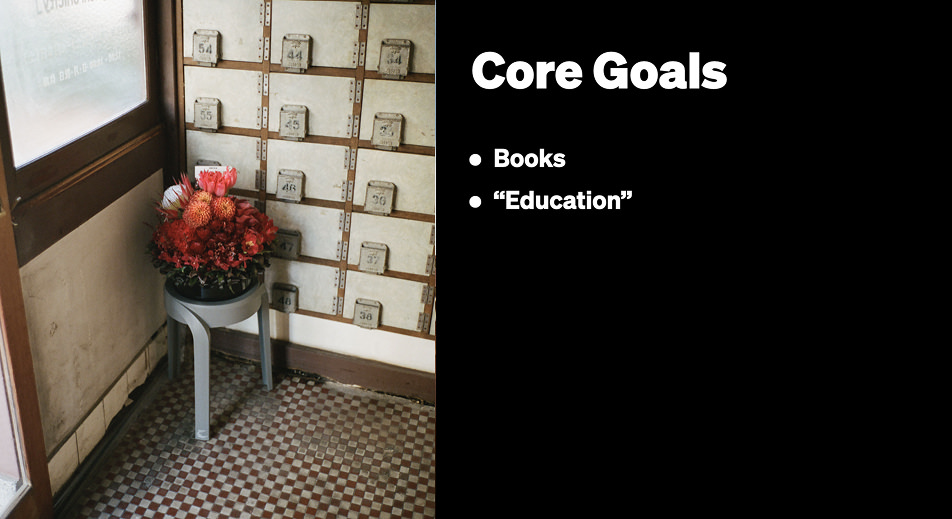
Books! Fundamentally, the purpose of SPECIAL PROJECTS is to allow me to make books (and more generally: to write; but most specifically: to write books). This is the first slide I put in all my bi-annual members-only Board Meetings: BOOKS. (And then, “education” — the thinking / talking about the doing.)
That’s what we’re here for. The books. Nothing we do is more durable or meaningful. I believe this more and more with all my heart. The weirder the world gets, the less meaning there seems to be in public discourse, the more I feel: BOOOOOOOOOOOKS. Printed, hefty suckers, immutable and offline. Moar. I trust books as a medium. I trust how they get me to collate my thoughts in a way no other medium does. Their arc can be long and infuriating (years from conception to release), but there is a density of committed effort present in a book held in hand that cannot exist in a YouTube video or a thousand Instagram Reels. Which is why, after twenty-three years of making books in various forms, through various entities, no matter how far I’ve strayed, I end up here once again: BOOKS.
I can see at least … five (?) more books I want to write, and getting those out over the next … ten (?) years is the plan. (I also know that in committing to a book, you’ll discover a hundred other things to explore; so five books is like saying you only want to work on three-hundred projects.) SPECIAL PROJECTS exists to catalyze this work. Everything else — the newsletters, the podcasts, the TV shows, the radio shows — is incidental to the books. In fact, they flow from the books. (It’s important to remember this; from books comes: the friendships, the connections, the ideas, the opportunities.)
The books are the engine powering everything else I do.
And the membership program powers the books.
Of course, in making books, you do a lot of other things. So what were the biggest membership-adjacent / related touchpoints of 2025?
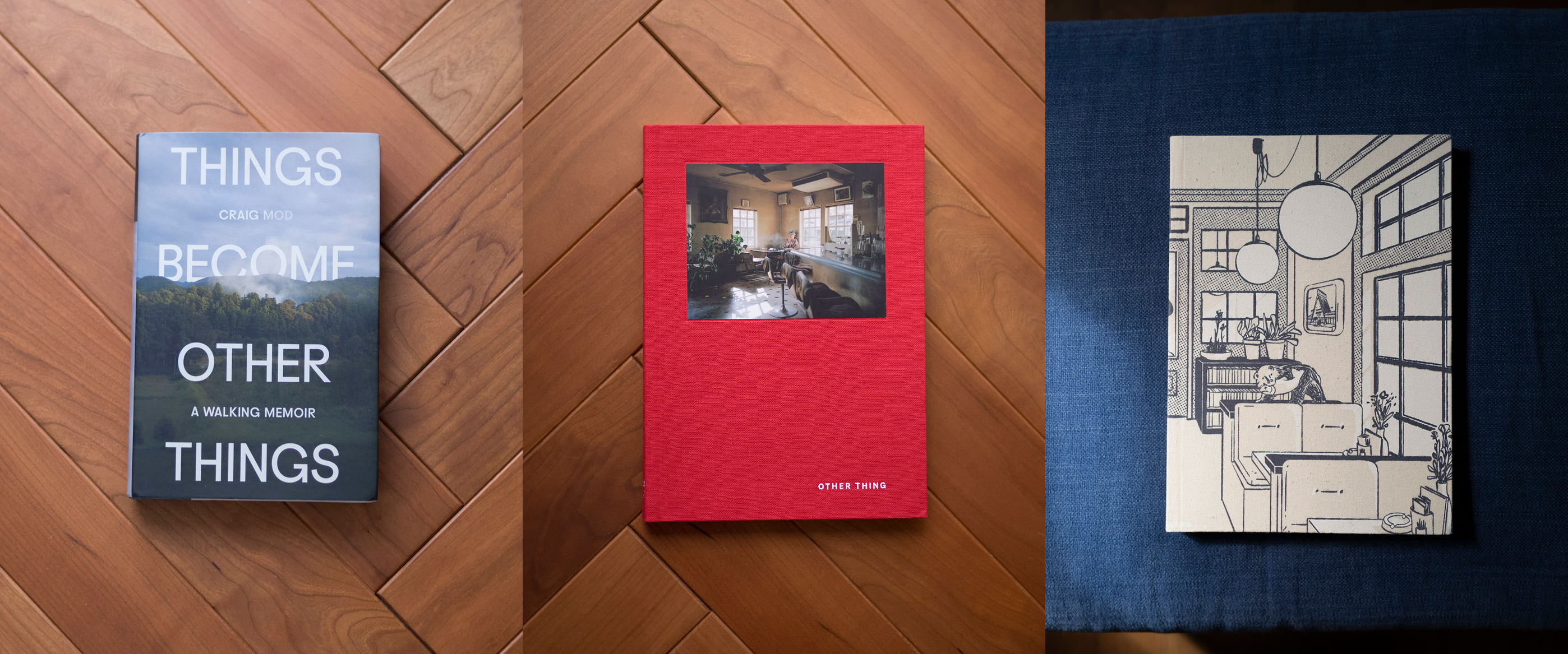
- Kissa by Kissa 6th edition printing (April)
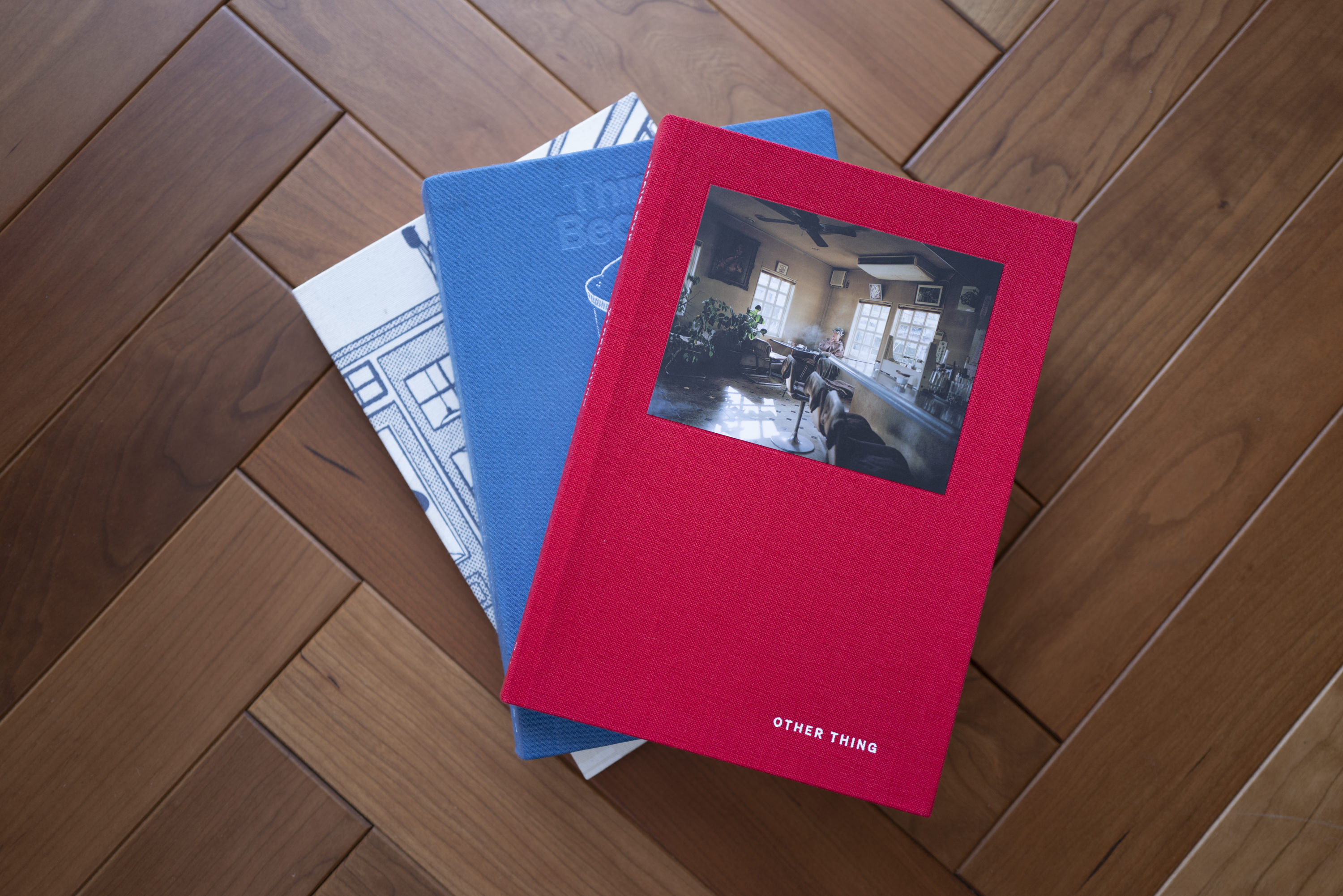
- OTHER THING
- a photo book; a ten-day photoshoot on the Kii Peninsula in February; editing and sequencing in March; printing in April; publication in May (a crazy timeline)
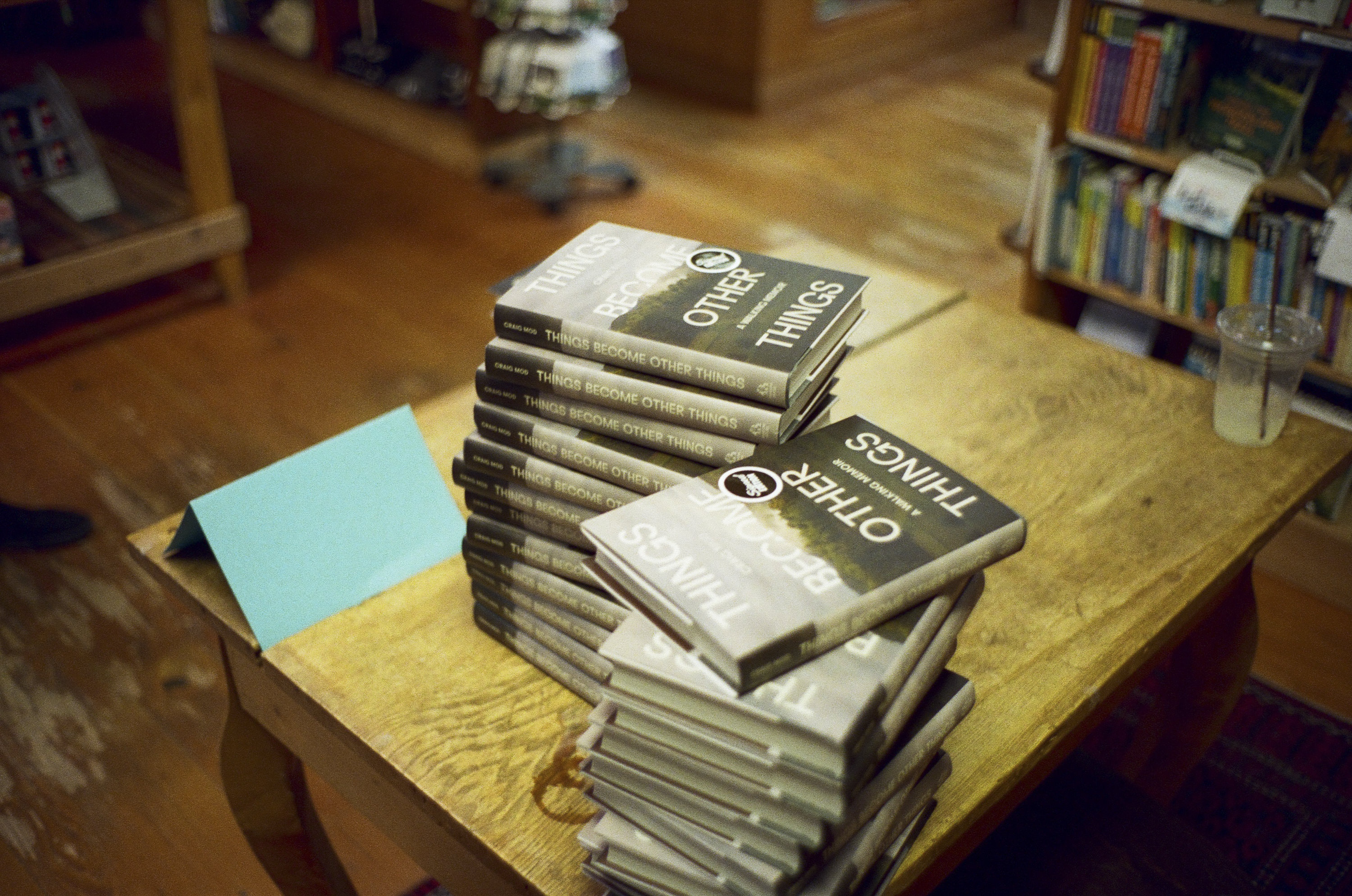
- Things Become Other Things Random House release (May)
- Six-week nation-wide US book tour (May-June)
- Podcast tour, including Rich Roll and Tim Ferriss (April, May)
- Moving into a new studio / home
- Writing for / appearing in UNIQLO’s Lifewear magazine (3 million copies in print worldwide)
- Appearing on the cover (and inside) of Papersky Magazine’s issue about walking Yamaguchi
- Public discussion with the mayor of Toyama City
- Panel discussion in Morioka about the future of Tohoku with business leaders and students
- The launch of “The Good Place,” our members-only “social” network, third place, watering hole, anti-Discord / anti-Slack space
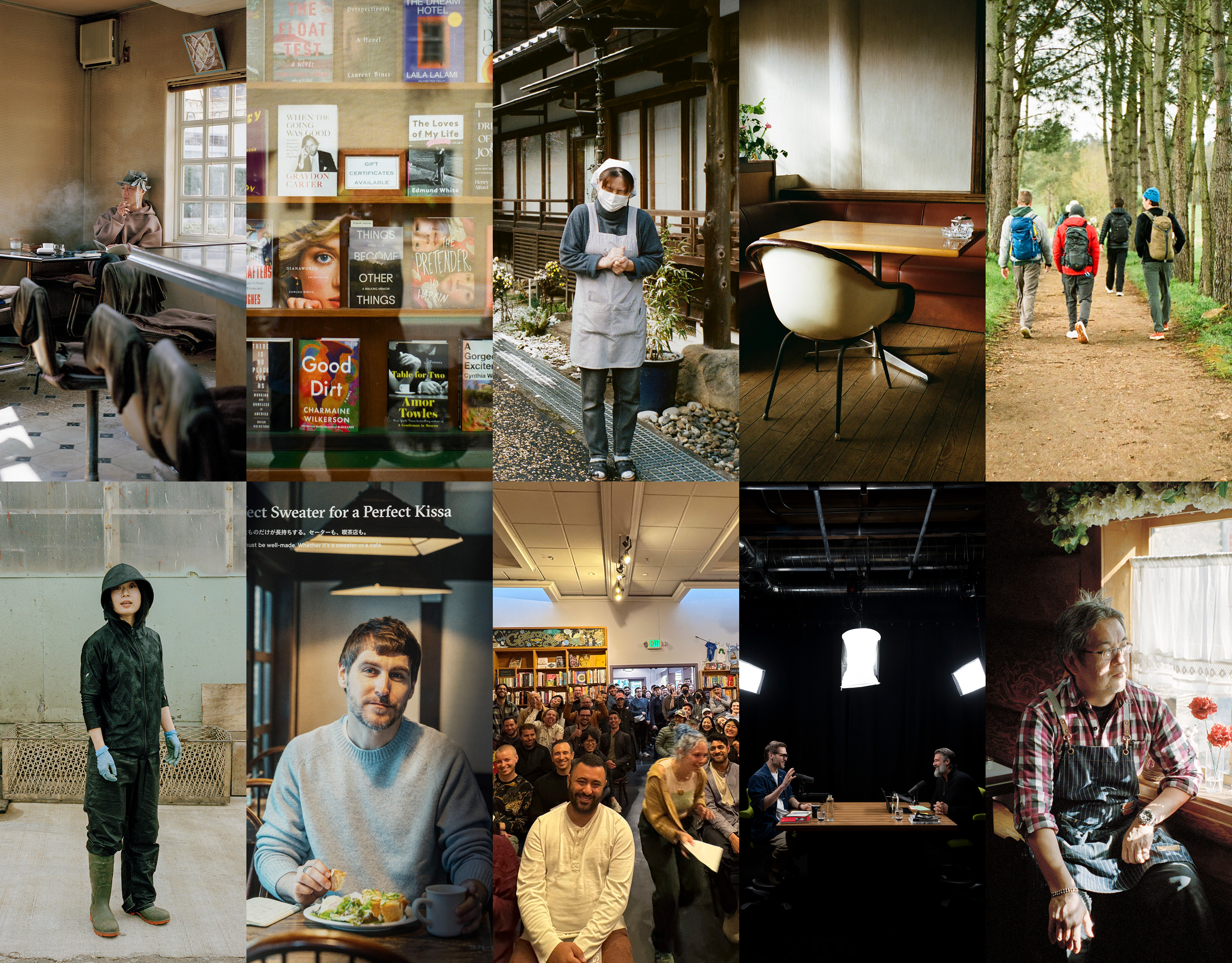
This was a rich, rich year, full of friendly faces and packed rooms.
If you’re curious about tracing back the evolution of SPECIAL PROJECTS, you can read my last six years of write-ups:
- Running a Paid Membership Program (2020)
- Running a Successful Membership / Subscription Program (2021)
- Memberships Work (2022)
- Running a Membership Program: Four Years In (2023)
- Five Years of Memberships (2024)
- My Membership “Rules” (2025)
#The TBOT Book Tour
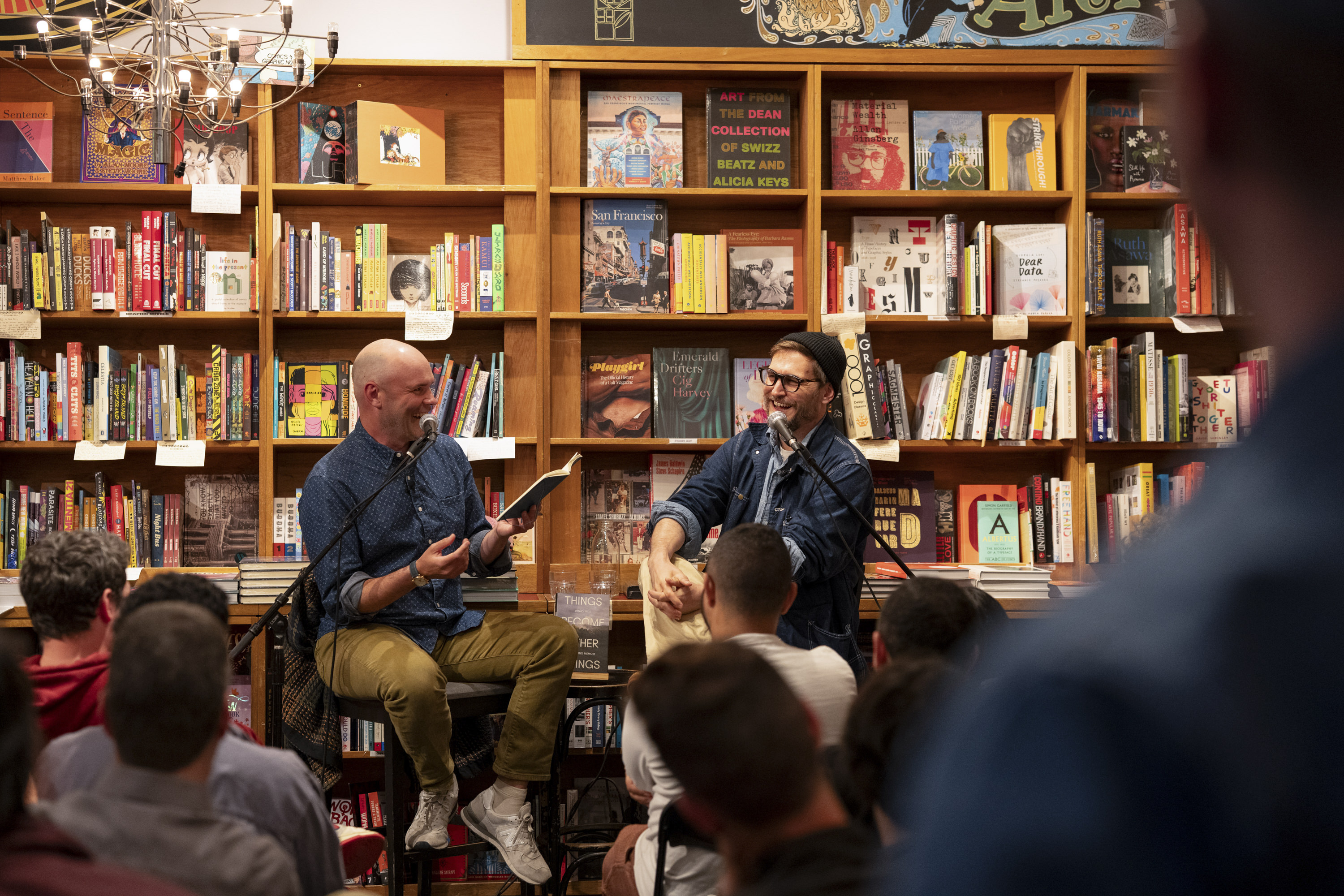
In terms of events or epochs in the membership program, last year’s Random House release of Things Become Other Things (amzn | bkshp), and the subsequent six-week tour, is certainly the biggest (in terms of scale, books out in the wild, readers reached, miles traversed) in our program’s history.
TBOT came out on May 5th. I launched the book in an onstage chat with Matt Rodbard at Rizzoli Books in Manhattan, and then ended up doing events in San Francisco, Los Angeles, Washington D.C., Brooklyn, and more. I made a podcast of the whole tour: Things Become a Podcast. I got to meet a thousand+ readers out in the wild. I signed a lot of books. It was a blast. Exhausting (oh god, so exhausting), yes, but a blast. There’s something life affirming about in-person events, and something great about seeing readers as “living organisms” (as opposed to emails or numbers on a sales report). (Including some friends I hadn’t seen in decades, surprising me in the signing line.)
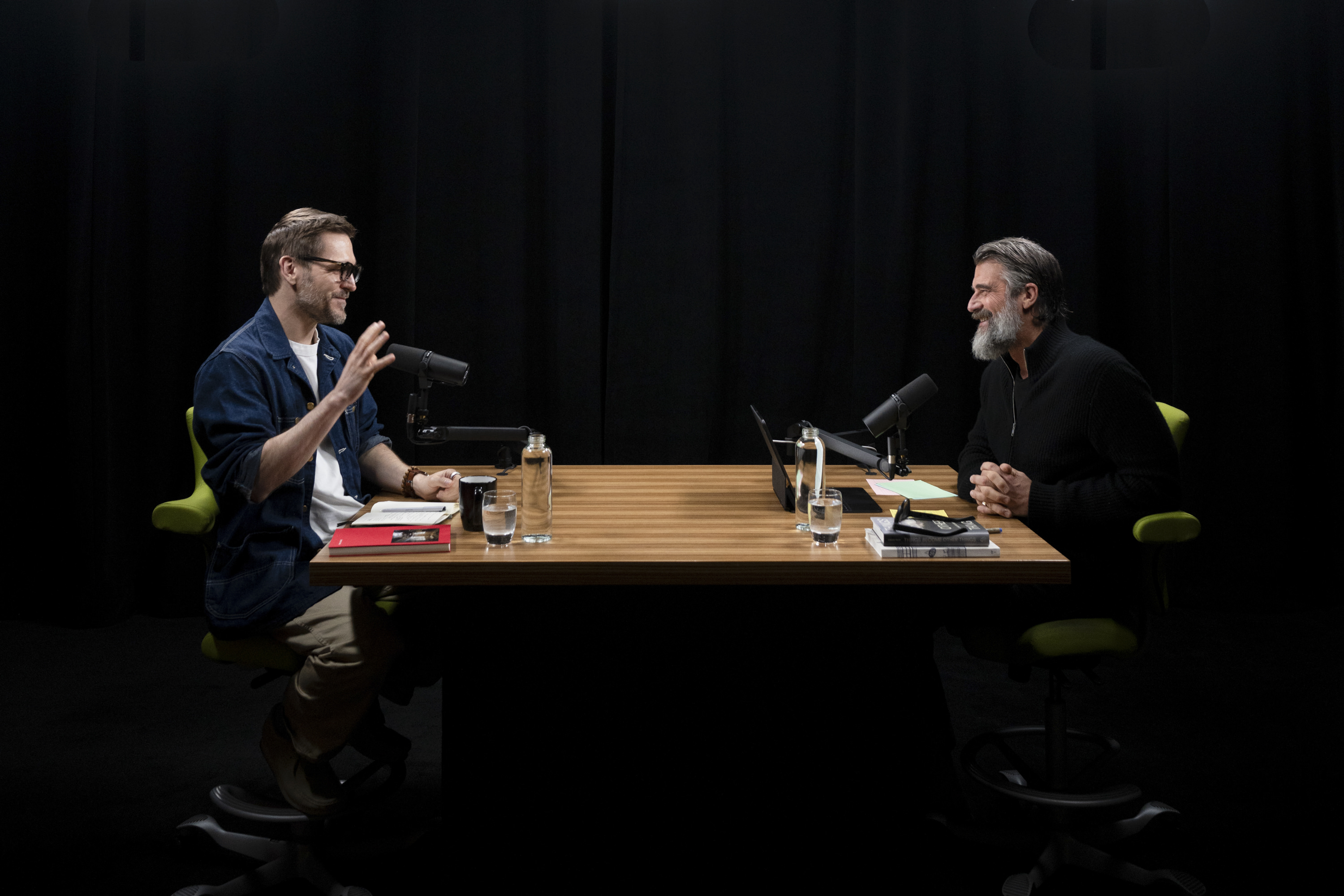
Along with the reading tour came the podcast tour. I’m grateful to Marni, my PR person at Random House, for setting up some great interviews. The biggest were: Tim Ferriss and Rich Roll. Both of those appearances had a profound impact on my readership (and Instagram followership). They were also a lot of fun, as interviews. I’m grateful for all the pods I went on, but these two accounted for roughly 95% of the sales and exposure impact. (For those keeping track.)
One of many takeaways from the tour: If you’re an author without a membership program (or newsletter), you’re an author without a “net” for (to put it crassly) “capturing latent interest in your work.” Books come out. You do interviews. There’s no way to “subscribe” to a book or an author through a book. And yet readers are interested. They want more. They are curious. People go: Huh, that guy’s got some zing. By having a well-established membership program (easily found on your website or, more and more, recommended by chatbots (yes, this is our reality)), especially one with fun little perks, you’re able to “capture” (to put it in depressing economic terms) that interest and — more valuable than just getting some money in membership fees — create a direct connection to your reader. This is, in my opinion, the most beneficial element of having a membership program: Reader connections. Everything else is bonus points.
#Shop Sales and Membership Economics
I’ve been fairly coy about talking dollars over the years — I think everyone has their own scale, and depending on your circumstances, that scale is going to be different than mine. That said, here’s some info:
The SPECIAL PROJECTS shop opened in August 2020. It opened somewhat randomly, mostly in response to COVID. Huh, the world’s shut down? I’m stuck in my room? Let’s make a book. That sort of thing. So I did. And then I made another one. And another. And we’ve since sold some $730,000+ worth of books. That’s … insane? Yes, a little insane.
You have to understand. To sell $730,000 of “fine art” “literary” books is … well, it’s a lot. Especially when I’ve only had one or two books in the shop at any time. It’s not like we’re casting a wide net, machine-gunning out a bunch of serial romance novels (my books barely have a plot). So, these sales numbers are an incredible thing that should be celebrated.
I’m not including shipping costs in this number (this is purely gross book sales). Meaning, in terms of pure revenue, the shop is well over the $1,000,000 mark. (But I like to only count actual books. We’ll do a little party when we’ve sold a million bucks in just books.)
Add membership fees to book sales, and it turns out we’ve accidentally created a sustainable1 business that allows me to uncompromisingly produce:
- a) precisely the kinds of books I want
- at b) the quality I want
- while c) doing it on my own timeline
As I noted in 2020, there seems to be a “product-market fit” between my membership program and my books.
Besides me, the operation is taken care of by my great assistant, and my warehouse / fulfillment center in Osaka. Shipping is expensive (we only use tracked DHL), which customers sometimes complain about (although less now). But in shipping thousands and thousands and thousands and thousands of books around the world, we’ve only had a handful of delivery failures or warehouse mix ups. (A “failure rate” of < 0.1%.)
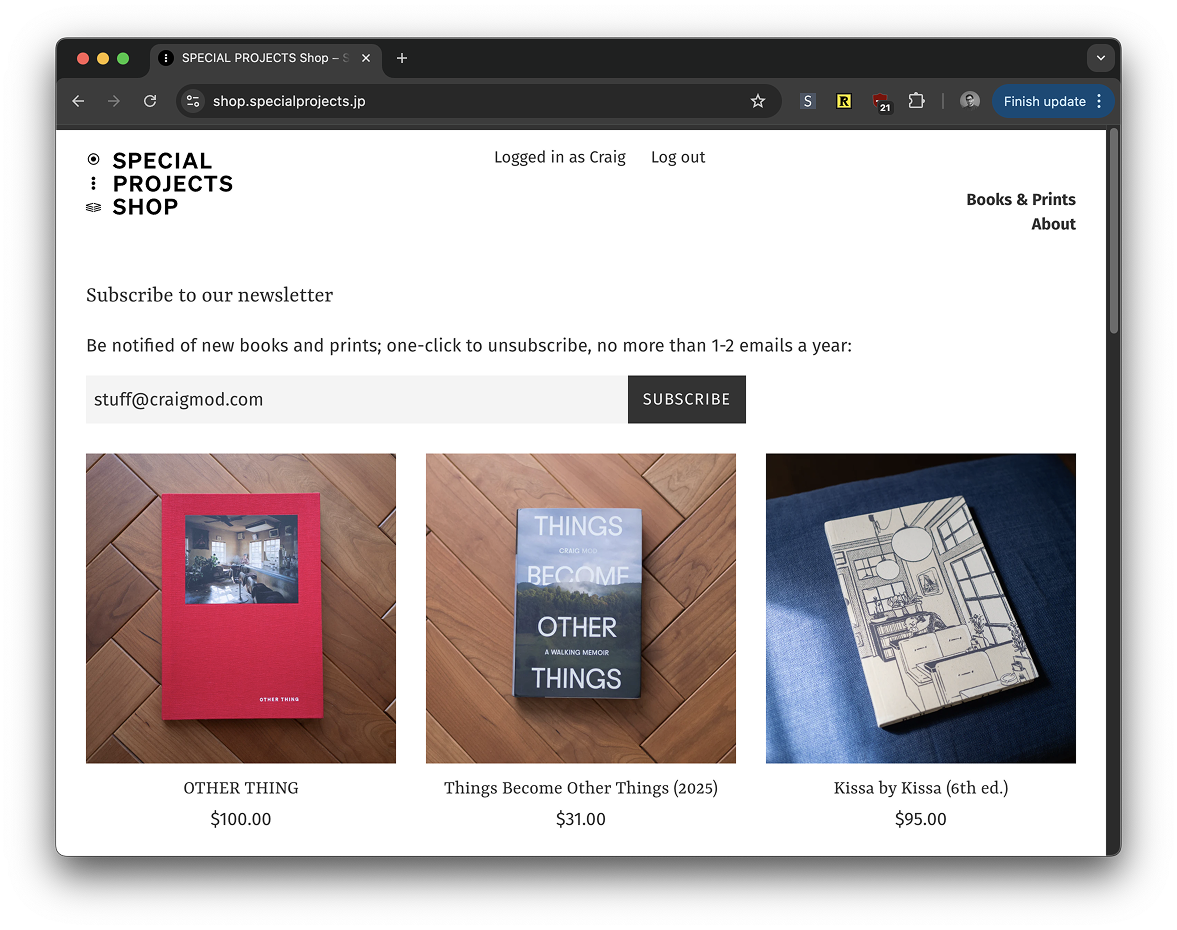
The books currently in shop:
- Kissa by Kissa (now in its 6th edition)
- Things Become Other Things Random House edition
- OTHER THING
And also, we still have a few copies of my limited edition “Tomato Farmers” print.
Things Become Other Things, fine art edition, sold out last year (2,500 copies; sold in roughly two years).
Lest it not be obvious: I continue to be astounded by the interest and support of my work. And I’m grateful that people recognize high-quality production when they see it, and are willing to pay a sustainable price.
I’m at work on a new book now. I’m not sure how this will manifest in the world. 2026 might be a “bookless” year in terms of releases. I think that’s OK considering how prolific we’ve been over the last two years (fine art TBOT, Japanese Kissa by Kissa, OTHER THING, Random House TBOT (amzn | bkshp) — that’s a lot!!!).
#The Good Place — Our ”Social Network”
The biggest membership-related surprise of last year was probably the success of “The Good Place.” I’ve harbored a deep suspicion of Twitter2 from day one, but loved what it theoretically could be / could have been. As such, I’ve always longed to ”build my own Twitter.” But I have no desire to run a company or startup.
Well, in April 2025, with the advent of Claude Code and my technical background I set out to produce ”the best version of Twitter” I could imagine. And I did. And it’s become our little community watering hole. It lives over on the SPECIAL PROJECTS members site.
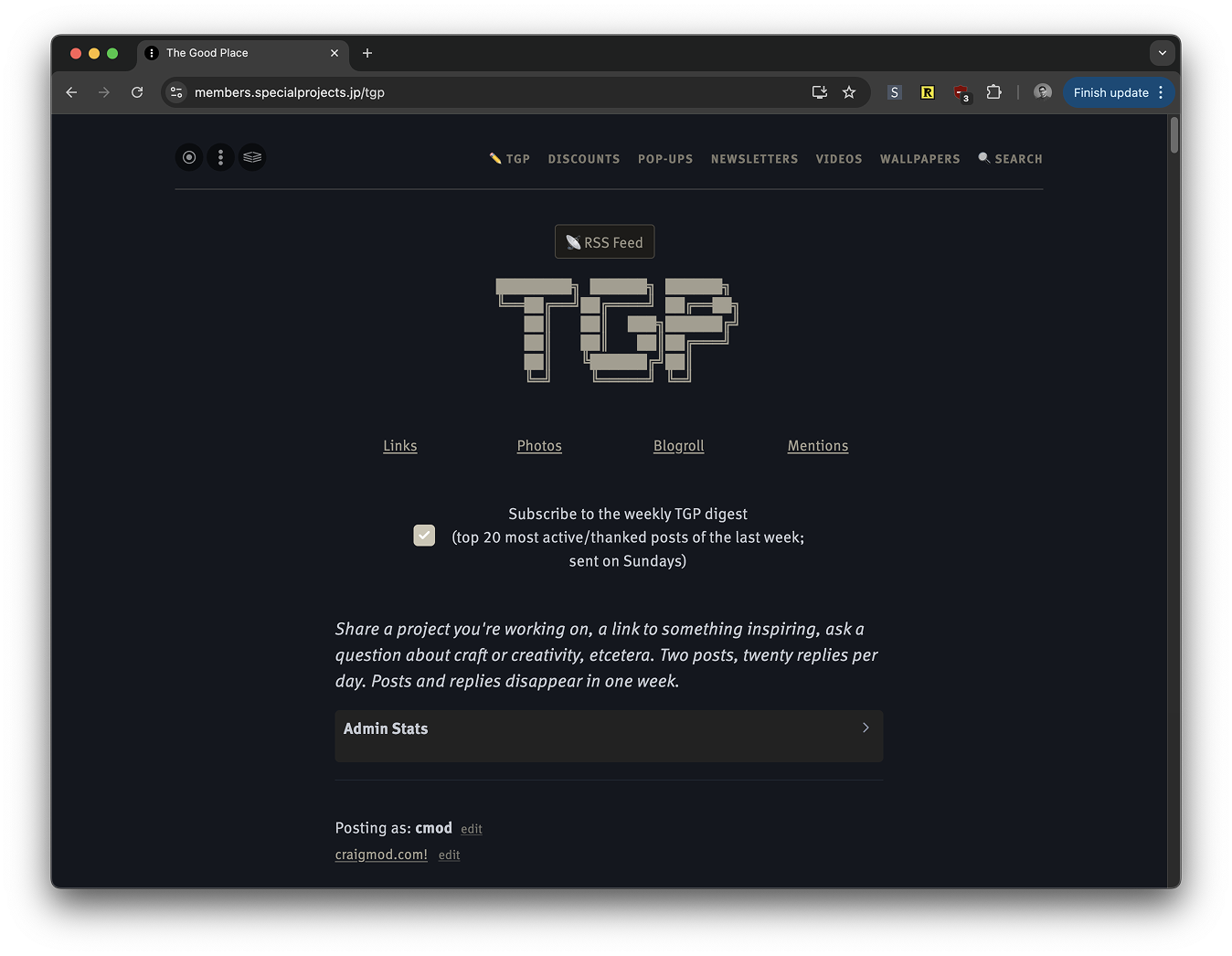
Here are the basics of it:
- All posts disappear in 7 days
- But you can keep a post ”alive” by replying to it
- You can only post 2 times a day
- You can reply 20 times a day (discussions are encouraged!)
- All images appear in 1-bit black and white until clicked on (at which point they transition to color or full-spectrum grayscale)
That’s about it. The other big constraint is that you have to be a member of SPECIAL PROJECTS to use it. That alone creates a better environment. Turns out, payments help keep dingdongs at bay.
On TGP, there is no chance for a post of yours to “go viral” and be seen by millions of Reply Guys. There is no incentive to post invective or negative notes to “game likes” or “engagement.”
It’s just a … good … place to hang out, to share projects you’re working on, things that inspire you, and, more recently, to set in-person meetups with other members.
TGP represents to me a kind of best-case example of what these new coding machines enable: purpose-built tools for an n of 1.
In terms of “membership value” I think the book and event discounts are more “empirically valuable,” but in terms of spiritual value, and connecting with an interesting community (as one member, Mara, put it: “TGP feels like the ippon-ura of the internet”), TGP is hard to beat. Thanks to everyone for making it as nice as it is.
#Homebrewed Membership Site
It’s only been two years since I launched my custom-built members site. But the more time passes, the more grateful I am that a) I took the time to build it, and b) it allows me essentially infinite flexibility (within reason).
A big part of the value of having my own membership site, of not being tied to a Substack or Patreon or similar platform, is that I can build things like TGP and bolt them on. I can create an archive of members-only videos that auto-generates itself, tags and all, and produce a page like this:
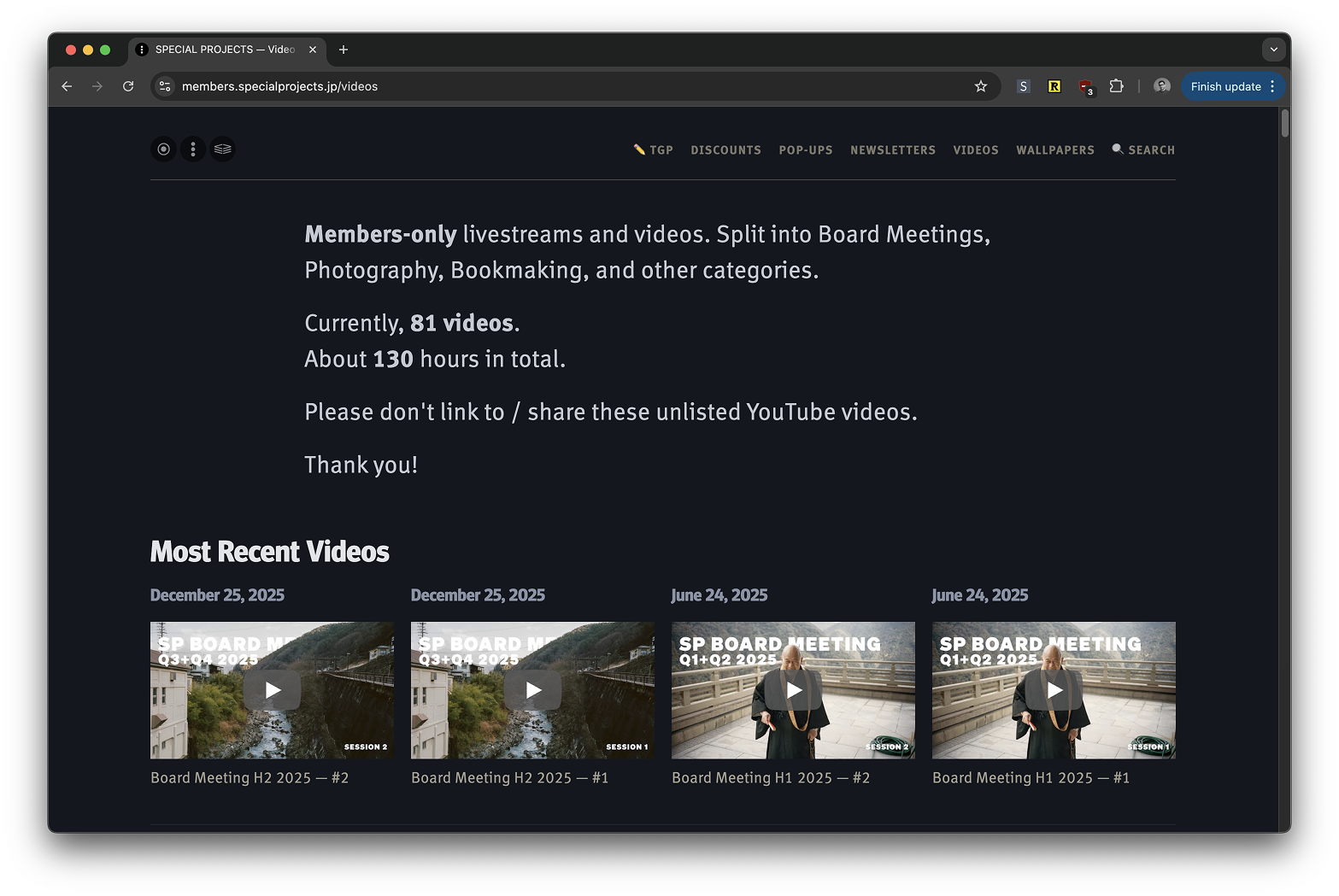
I can create a custom archive for my pop-up newsletters.
I can put all coupon codes on a page, and that page will display the right codes depending on if a member is Monthly or Yearly (or Lifetime).
I can make my own search engine, to search the hundreds-of-thousands of words I’ve published to the archive.
Every six months I run a board meeting for members. Personally, this is one of the most valuable things I get out of the program. The forced look-back at the last six months is something I’d never do on my own, but enjoy doing in the context of the program. Each board meeting follows the same structure: a 20-30 minute presentation from me, and then a 60-90 minute Q&A session. The next big member feature I’m looking to build out is a proper archive of all the Qs and As, easily indexed, with a video player that auto-scrubs to the appropriate part of the meeting.
That’s just one example of the value of “owning” your membership home. The technical work involved is non-trivial, and I realize I occupy a strange position in the collision between literature and technology, but it’s getting easier and easier to do this kind of stuff on your own. Consider the “shape” of what you want to work on before yoking yourself to a monolithic platform.
For those of the curious-dork persuasion, my tech stack is unchanged from last year. The biggest thing I’d like to change this year is to leave Campaign Monitor, which is currently (and consistently), by far, my biggest recurring cost. I need to set aside a little weekend for Claude Code and me to wrangle custom newsletter software into existence.
#Easier and yet not easier
Some aspects of running SPECIAL PROJECTS get easier as time goes on: Programs like this can develop a kind of momentum the more you invest in them. For seven years: The more I commit to the work, the more the program grows (or at least maintains its presently sustainable scale). There’s something heartening about this! How long will this continue for? I don’t know. Which brings me to: Other aspects continue to be the same.
I’m still occasionally crushed by scarcity thinking, worrying everyone is suddenly going to cancel their memberships and “abandon” me.3 I still feel like I need to “fight” for almost every member. I worry I don’t do enough work. I worry I do too much work. I narcissistically and solipsistically worry if I take a few days off and do absolutely nothing the world (my world) will collapse, and I worry if I don’t get better at taking breaks, I’ll go (fully) insane. But these seem to be problems more aligned with life itself, rather than anything explicit to a membership program.
#Shifting to more “abstract deliverables”
After seven years of doing this, some questions start to emerge. Like: For how long are you planning on doing this? And: Should you continue doing it the way you’ve been doing it?
When I launched SPECIAL PROJECTS, the “deliverables” were quite well-defined: A weekly Ridgeline, a monthly Roden, perhaps some On Margins podcast episodes. That was the thrust of it. During the first five years, I largely abided by the weekly and monthly newsletter quotients. These last two, I’ve gotten looser as projects have gotten bigger. I think this is OK. I think being flexible with your program is how it stays interesting (and how you stay interested).
Outside the “standard” output, I’ve produced dozens of binaural audio recordings and videos: Jazz Kissas, Tōkaidō streetscapes, Kii Peninsula landscapes, and Ten cities in Japan.
I’ve also run 14 (!!) pop-up newsletters. Written a host of other essays. Made a couple short documentaries. And, of course, written books.
I love (LOVE) having this flexibility.
One of my biggest criticisms of platforms like Substack is: They’re inflexible to the individual. You’re stuck doing, basically, one newsletter, forever. (In the same template, too. Yuck.) That … sounds … terrible? I love having my different newsletters. My regular newsletters and my pop-ups. I love running my Board Meetings. I love having an archive of those meetings, the questions that were asked. I love having a members-only site that contains the discount codes and other goodies. I love having this flexible canvas on which to play / explore within the confines of “membership.”
#The Next Year
My focus for the next year is pretty simple: To bang my next book into the best shape I can possibly bang it into. Along the way I’ll be going on walks, exploring Japan, sure, but also New York and possibly London (I’ve already got Portugal and Norway walks lined up). I’ll continue thinking about the ways in which technology is affecting us all, how AI is disrupting our sense of purpose, how to continue to find meaning despite the crass, bad-faith meaninglessness of so much political discourse. I’ll be thinking about being a dad and what that means. I’ll be thinking about family stuff — having met, suddenly, a bevy of birth-family members in the last eighteen months. (With a new nephew on the way!) (Listen to the Rich Roll interview for more details on all of this family stuff.)
There. is. a. lot. to. think. about! And I’m as grateful as ever that SPECIAL PROJECTS gives me the permission, time, and funds to be able to do this thinking, to commit to these projects. Thank you members, for your support. I hope you feel like you’ve gotten as much value out of being a member as I have doing whatever the heck it is I’m doing.
So: Don’t do it! Don’t start a membership program! Don’t start a paid newsletter! This is what I’ve been telling everyone for the last seven years, and what I still tell people. Don’t do it unless you’ve exhausted all other options. Unless you’re against the ropes. Unless you can’t possibly see another way to do the work you feel you must do. Then — and only then — go for it, and go hard.
It’s once again the start of February. I’ve finished writing this up, reflecting on the last year. I’ve plowed through tax preparation. I’ve gotten a few magazine pieces done. And now it’s time to turn, in earnest (or whatever version of “earnest” can be mustered in the chaos of 2026), to the work ahead in this new year.
Thanks to everyone who has followed along. The old members and the new. And if you’re not yet a member, come on in.
Onward into Year Eight,
C
#Noted
-
Well, sustainable for one dude doing it, mostly, all alone, that, uh, is entirely dependent on him continuing to work his butt off. ↩︎
-
Truly. Even from day one it freaked me out. The name: Twttr. Like a twitch in the form of a website. People posting about their sandwiches. But in the end, Twitter is where I grew my audience, made some good connections and friendships, and seeded my newsletter subscriptions. It feels like a cheat code, looking back on it — to have been on Twitter 2010-2014 was to have been there during the golden age of the network. Where algorithms were still beyond its capabilities (just keeping itself online seemed to be beyond its capabilities most days), and where everyone who was everyone in publishing and media was there, sharing, connecting, engaging. ↩︎
-
I’ve written about this in past year write-ups, but it’s worth reiterating: I don’t see cancellation emails. I see signup emails, only because I send a personal note of thanks to everyone who signs up. I started doing that seven years ago and still do it today. (Sometimes it can take a couple of weeks, but I usually always get to it!) But for cancellations? I try my best to never even look at the Memberful dashboard showing how much is coming in this month. I look at the financials once a year: During tax season. And if I could avoid looking even then, I would! I never want to think about “gaming” the system or “maximizing” memberships or anything like that. As I wrote at the top of this thing: The goal is books, and I have faith (perhaps stupid faith, irrational faith) that if I focus on the books and the work required to make them, and share generously along the way, that alone will keep the system going. ↩︎
This essay, published February 2026. Thoughts? Email me@craigmod.com.
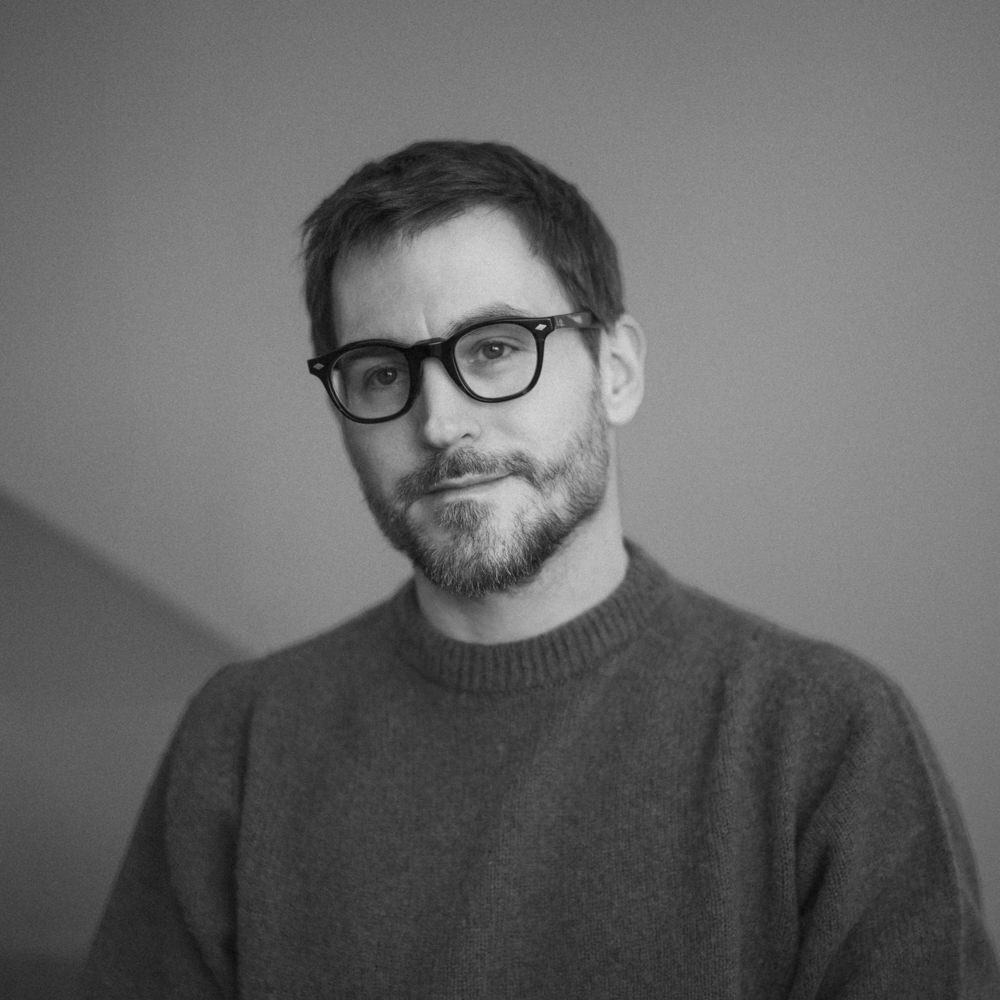
Craig Mod is a writer and photographer based in Japan. He's the author of the books Things Become Other Things and Kissa by Kissa and is a MacDowell, Ragdale, and VCCA writing fellow. His essays and articles have appeared in The New York Times, Eater, The Atlantic, California Sunday Magazine, Wired, Aeon, New Scientist, Virginia Quarterly Review, The New Yorker, The Morning News, Codex: Journal of Typography, and elsewhere.
He writes newsletters, oh yes, newsletters: Roden & Ridgeline.
The work on this site is supported 100% by paid memberships and book & print sales.
Whatever you do, don't follow @craigmod on Bluesky or Instagram.