Ridgeline subscribers —
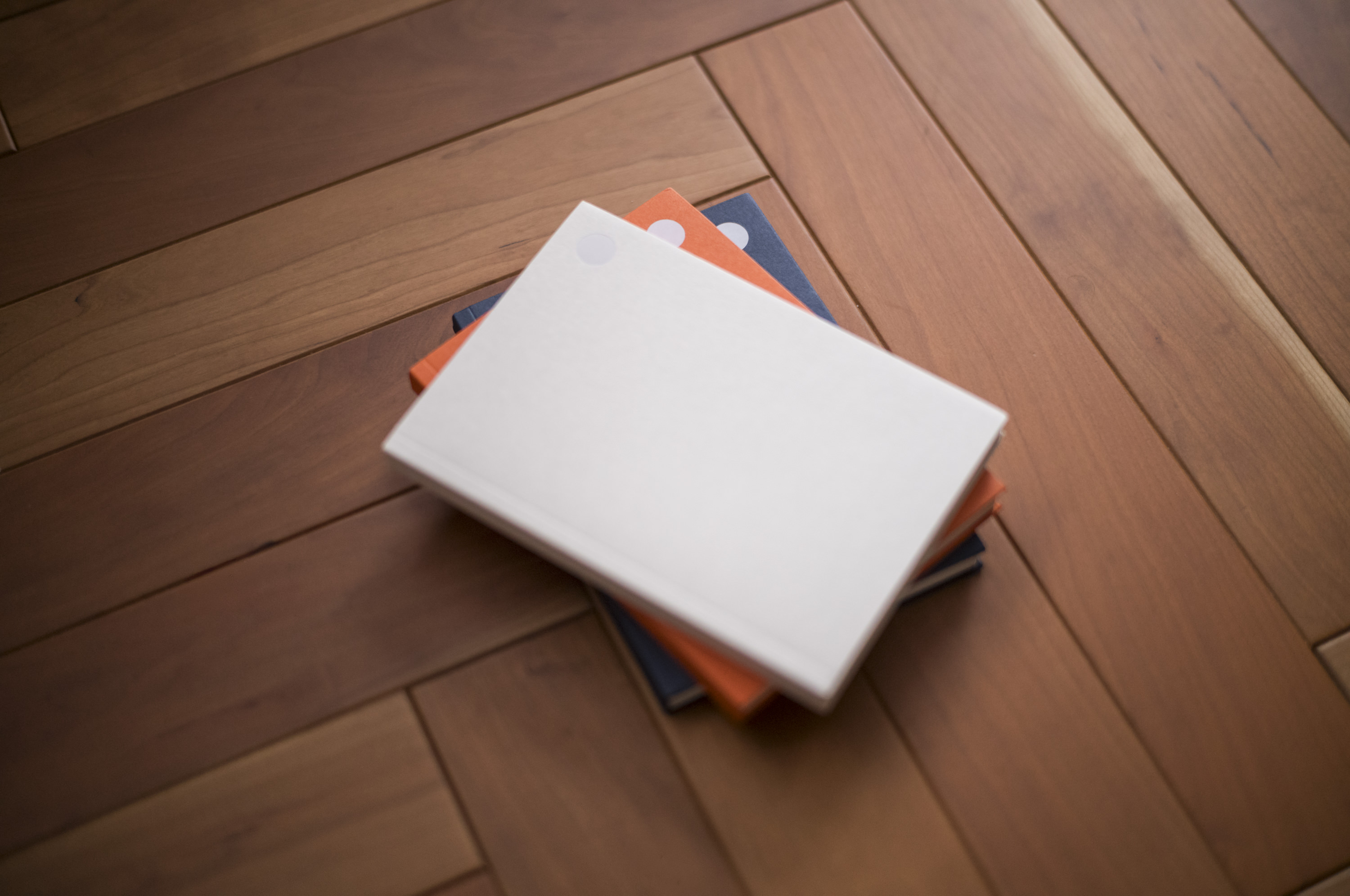
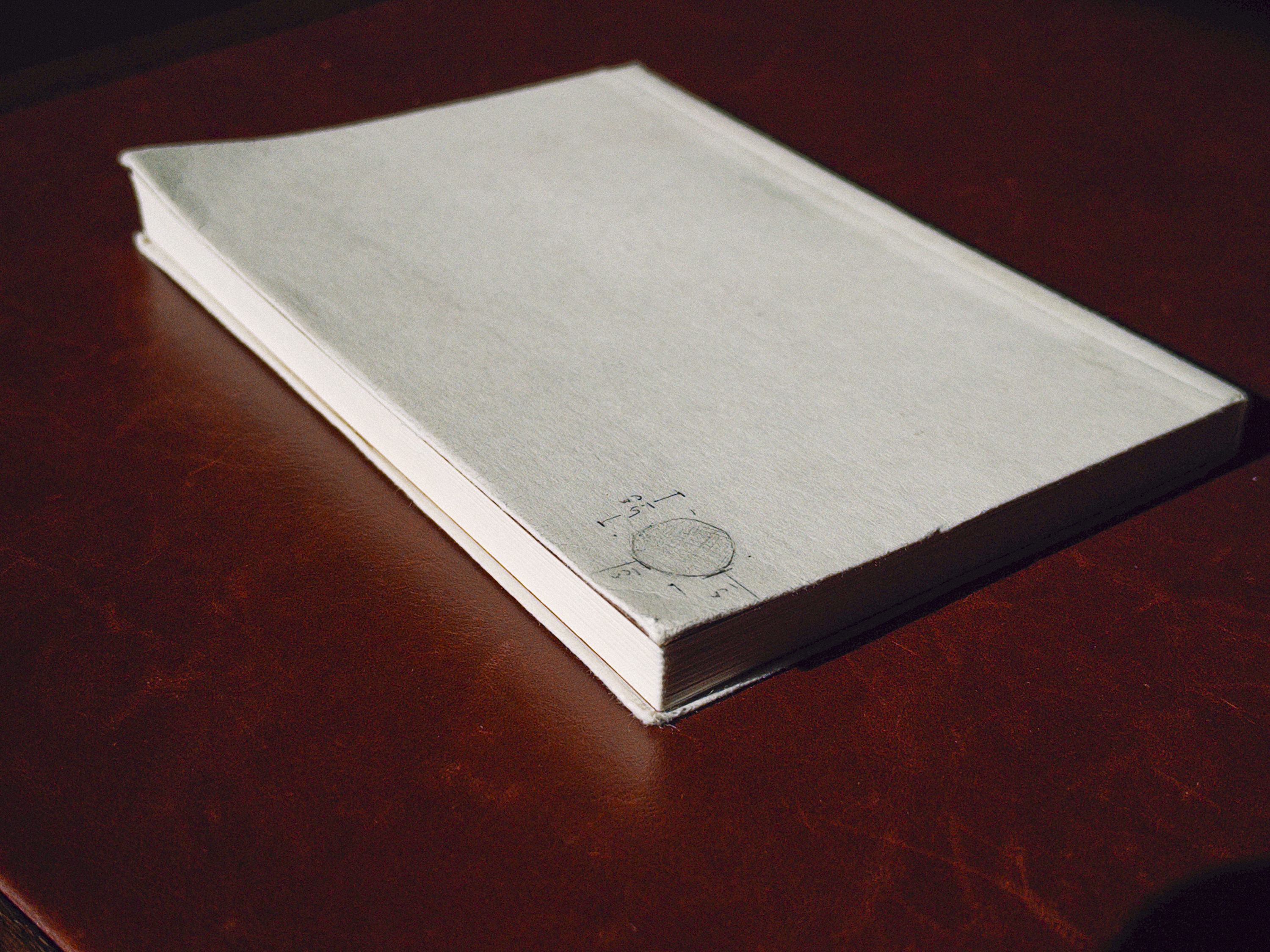
Oh, hello. I made a notebook: ⬤. You can buy it here. I didn’t mean to make a notebook but, you see, I had no choice. A couple of years ago the Japanese edition of Kissa by Kissa came out. While iterating over materials and size, a handful of blank so-called “dummy books” were made. They were sitting around my studio. Earlier this year I used one as a notebook. Goddamn, I thought, this is a nice notebook. Not perfect, but almost. When I used up the first dummy I grabbed another dummy. I used that one up, and then had no more dummies. I looked around for a replacement. Scoured stationery shops to no avail. None existed. At least none that hit my self-concocted design targets. Then I realized: I COULD MAKE IT MYSELF. And in realizing that, I was legally and morally obligated to do so.
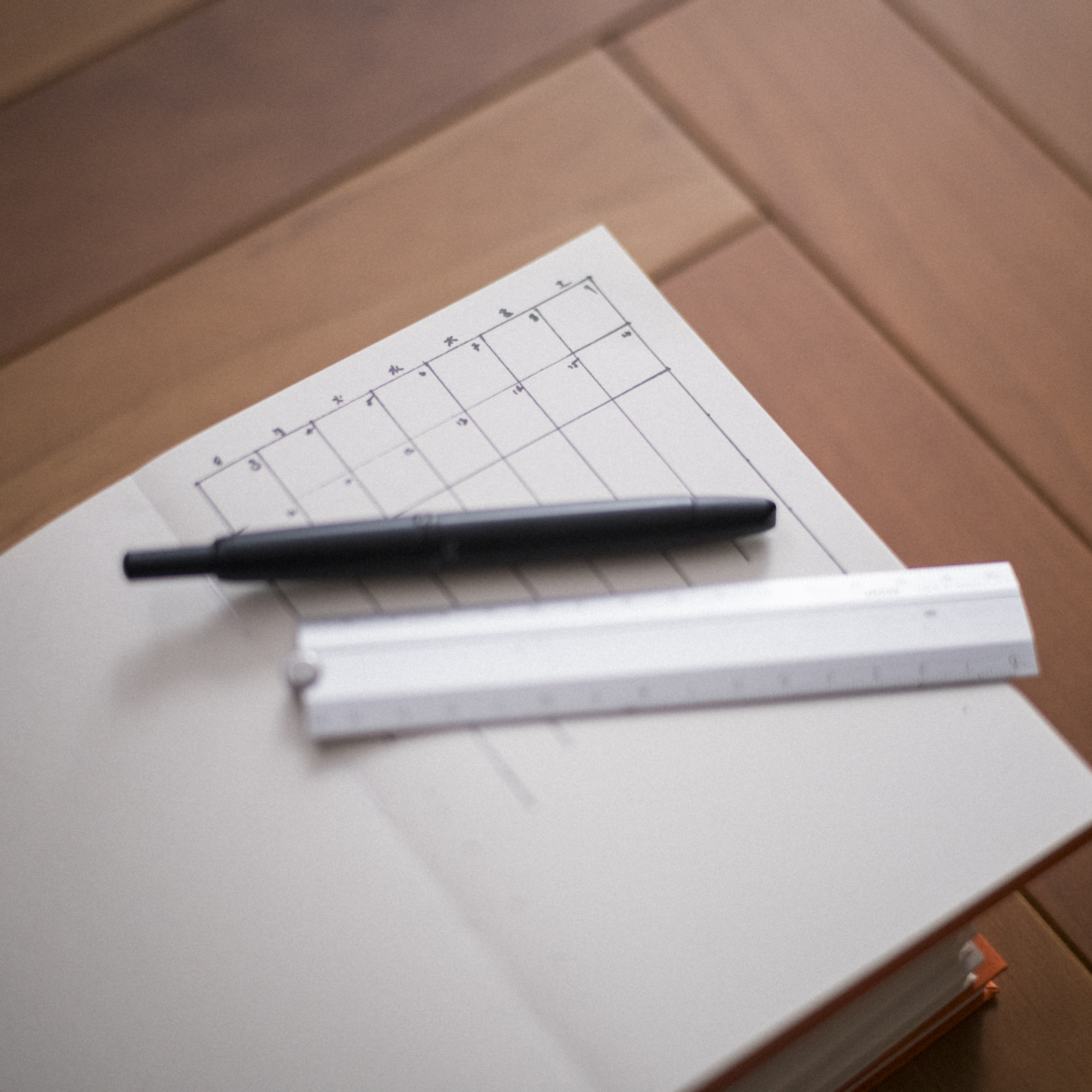
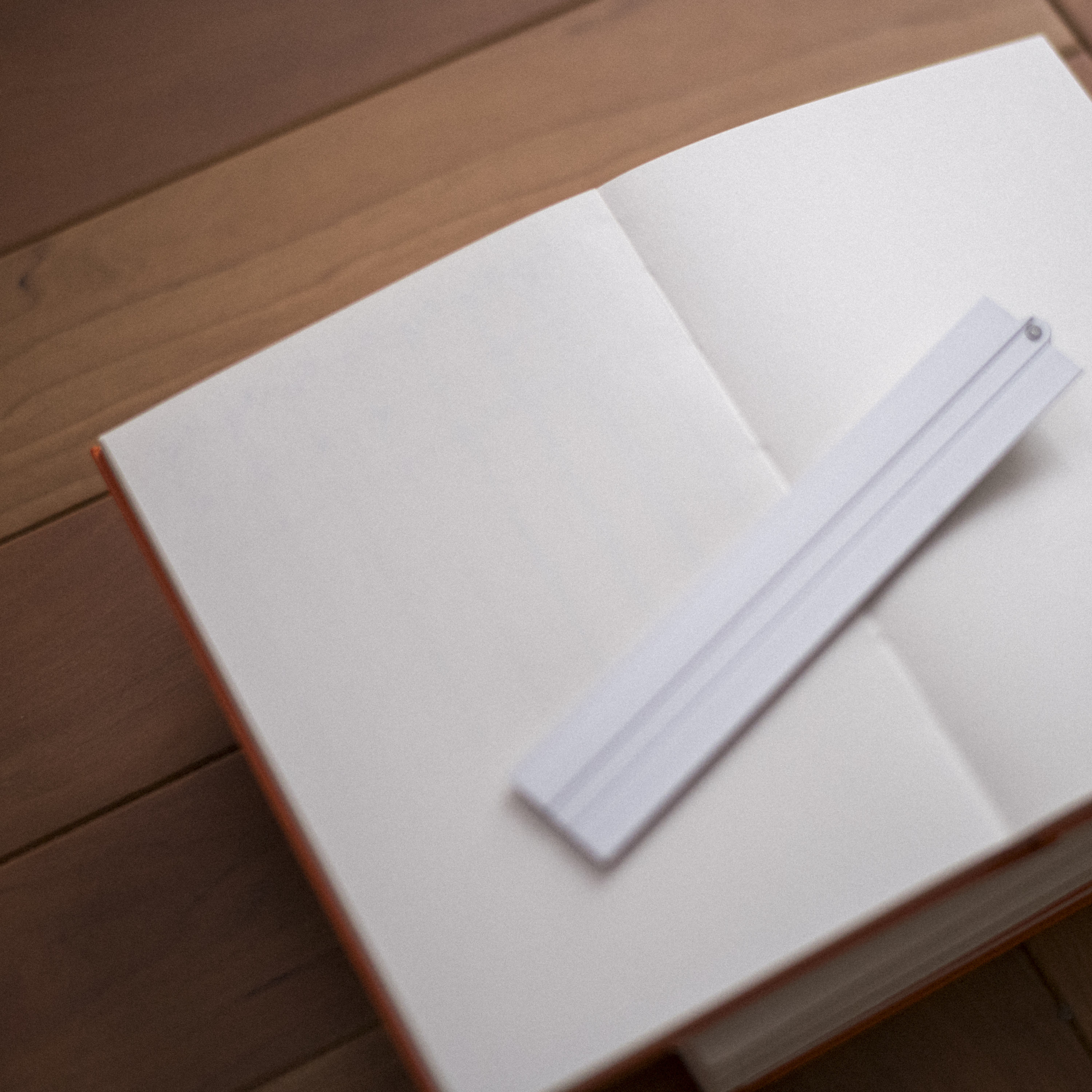
⬤ is, for me, a perfect notebook. B6 size, eminently pocketable, but: large enough when spread out for comfortable sketching. Lay-flat on every page. 1 mm overhang between cover and body block. A French flap cover for a bit more edge protection, a slightly beefier vibe. White embossed ⬤ on the cover (you can number them, label them, mark them with hieroglyphics). Flexible binding so it feels good in hand, never too stiff. 160 blank pages. Paper thick enough to take fountain pen scratch without much bleed. Blah blah blah blah — I love using this stupid thing!
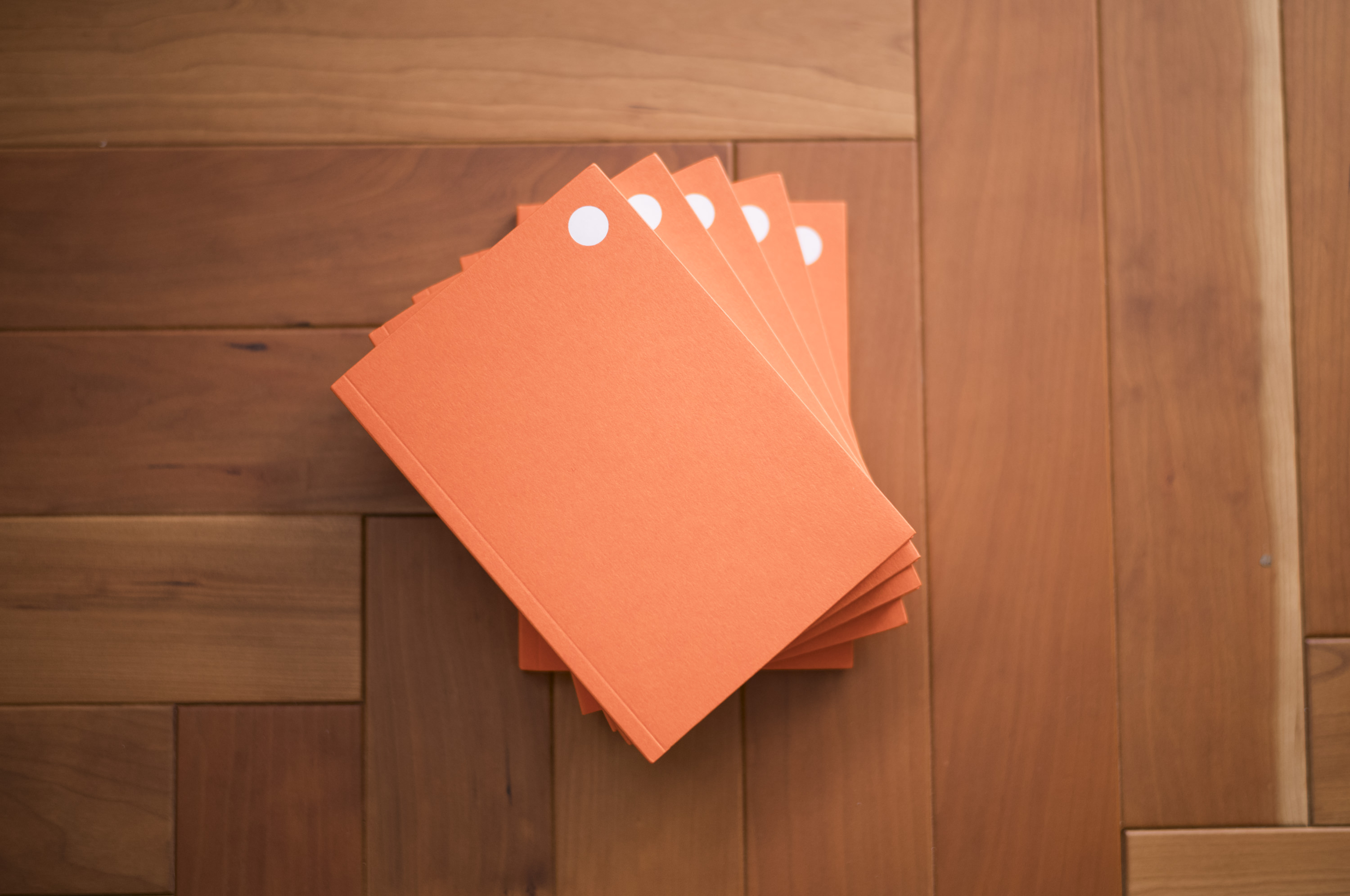
So I made ⬤ for me, and I figured I’d also offer ⬤ to you. (This is the Prince of notebooks, with no pronounceable name.) This first batch comes in three colors: orange, navy, and cream. Or if I were an evil company run by a demented millennial, I’d say “What’s up guys, colorways for this first drop are: tropicana, selvage, and brie.” They all have a little white circle embossed in the top right corner. You can buy them as a set of three or as individual notebooks. As usual, Yearly SPECIAL PROJECTS members get big discounts ($30 off the set, $15 off individual ⬤s; discounts live on the members-only site). They might cost a bit more than you expect because I’m annoying and mandated that ⬤ lie flat, requiring additional binding and production steps. I think it’s worth it!
Here are ⬤’s full stats:
- B6 (128 mm × 182 mm)
- 160 blank pages
- Matte white ⬤ embossed on front (top right) and spine
- 244 gsm cover papers; French-flap softcover style (仮フランス装)
- 151 gsm white endpapers
- 87 gsm slightly off-white body pages
- 1 mm cover overhang beyond body block
- Flexible in hand, but sturdy enough to protect the pages
- Assembled and bound in Nagano, Japan
What doesn’t ⬤ do? It doesn’t fix your grammar. Doesn’t suggest new sentences. Doesn’t critique your verb selection. Doesn’t rewrite (or straight-up write) for you. It is a quiet space in a world of fewer and fewer quiet spaces. ⬤ is dumb. It is inert. ⬤ is immutable in the way all good printed things are immutable. It’s just you and your brain, “raw dogging” it as the crazies say. Pen in hand, you are forced to think without aid. It’s like going to the brain gym. If you can face ⬤ without a phone in your pocket or on the table, you’ll have an even rawer, even doggier experience. If you can attend to the blank pages of ⬤ for thirty minutes a day, you will inch closer to intellectual Valhalla.
But, I hear you moan (as I have moaned to myself all my life), my handwriting is terrible and extracting meaning from the chicken scratch is a tedious and unrelenting exercise. Well, I reply (as I now reply to myself), it turns out all the models are exceptional at reading chicken scratch. Historical or contemporary chicken scratch, don’t matter. (I was amazed at how Claude deciphered oodles of Ellis Island records when doing my ancestry dig.) Photographing your notebook pages and shoving them into the maw of inference will produce near-perfect transcriptions.
So it is that I’ve come to write or draft many essays on paper these last six months. I’ve done more writing by hand in 2026 than I have in all the intervening years since elementary school. Go forth, take notes, sketch, draw arrows, boxes, whatever — the machine can somehow divine (accurate) meaning from it all.
I also want to call out Robin Sloan for pants-kicking much of this project. Earlier this year he alerted me to the preternatural ability of The Machines to reliably decipher handwriting, which got me writing more than usual in notebooks. He also turned me on to the excellent The Notebook: A History of Thinking on Paper by Roland Allen, which of course got me thinking more generally about the power of notebooks. His nudges, colliding with the usability of that Kissa by Kissa dummy, led to ⬤. Thanks, Robin, for the inspirations.
Most orders ship next-business-day (Japan time) via DHL and arrive almost anywhere around the world in just a few days. Thanks for your support, and happy notebooking.
C
Not subscribed to Ridgeline?
(A weekly letter on walking in Japan)
This essay is from the Ridgeline newsletter, mailed out October, 2026. Thoughts? Email me@craigmod.com.

Craig Mod is a writer and photographer based in Japan. He's the author of the books Things Become Other Things and Kissa by Kissa and is a MacDowell, Ragdale, and VCCA writing fellow. His essays and articles have appeared in The New York Times, Eater, The Atlantic, California Sunday Magazine, Wired, Aeon, New Scientist, Virginia Quarterly Review, The New Yorker, The Morning News, Codex: Journal of Typography, and elsewhere.
He writes newsletters, oh yes, newsletters: Roden & Ridgeline.
The work on this site is supported 100% by paid memberships and book & print sales.
Whatever you do, don't follow @craigmod on Bluesky or Instagram.