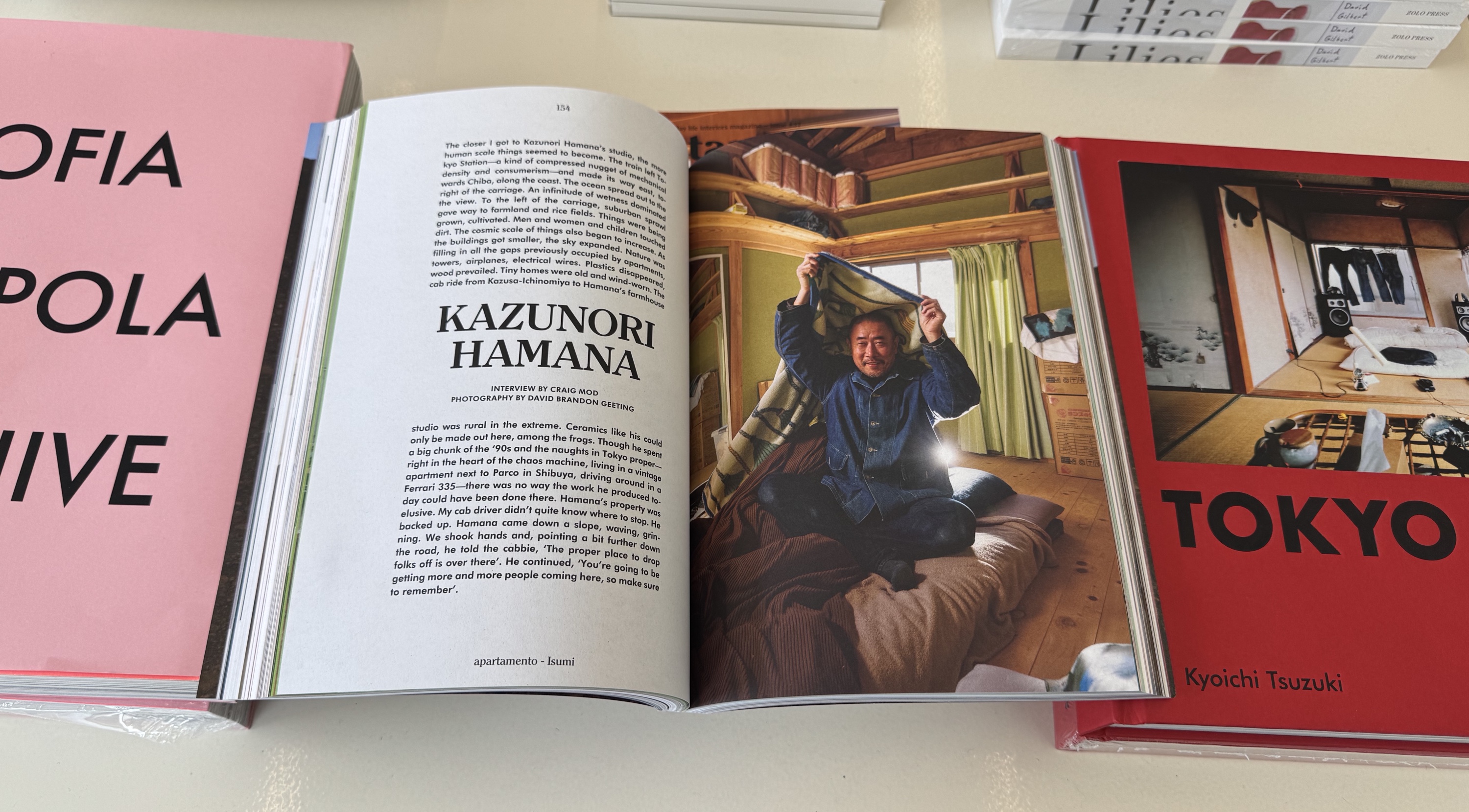
Kazunori Hamana in Apartamento
Thinking about pots, but also how Shibuya has changed
Ridgeline Transmission 231
Ridgeline subscribers —
Man, it was fun talking with Kazunori Hamana back in January. He’s lived a bizarre life, seemingly one without a roadmap, though I suspect his laid-back, subtly-goatee’d vibes belie a cunning streak. He was welcoming and rough-edged in a disarming way. He lives out in the wilds of Chiba, in an area that feels like it may cease to exist without his presence in ten or fifteen years. Many lives ago, he lived in the wilds of Shibuya, running a select / used-clothing shop called “Blues” out of Ura-Harajuku (back when Ura-Hara was a place you’d catch whispers of on rogue Usenet forums, or in copies of TOKION snatched from Casa Magazines in the West Village, if anywhere; today it is splayed about TikTok like a glazed ham at Old Country Buffet) and driving around in a Ferrari. Now he drives a kei-truck and spends all the money he makes selling his incredible pottery on buying land and old homes on the Chiba coast, setting up artist residencies, creating space for artist communities to take root.
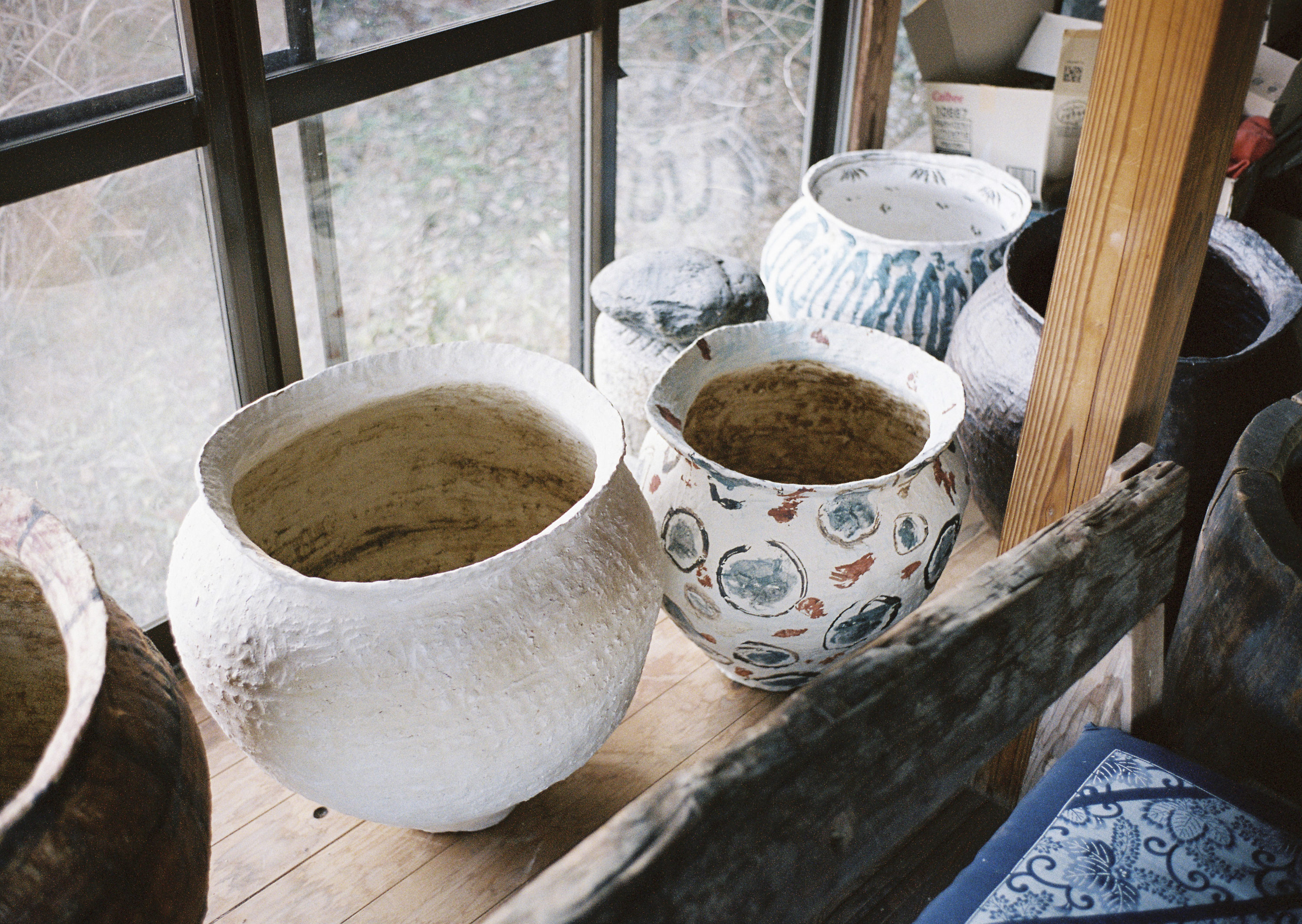
His most recent acquisition is a rock quarry on the Izu Peninsula. He was excited by how many old tools had been left in situ. I’m sure he’ll eventually turn it into something wonderful and weird.
I interviewed him for Apartamento Magazine. It’s in the latest issue, which you should buy. (If you’re in Prospect Heights, Brooklyn, Canyon Coffee has copies for sale.) Apartamento is one of those miracle publications acting like it’s still 1998: Plump, printed beautifully on beautiful paper, a hefty bundle of art and care. I’m honored to have had a couple pieces in it over the years.
In our interview, we couldn’t go deep on the apartment he lived in back in the ’90s / ’00s, but here, in Ridgeline, there’s no editor keeping me from poking around, pummeling you readers with strange facts:
Hamana lived in Udagawachō, which is up between Shibuya Station and Yoyogi Park. He lived in a seven-story walk-up, the first three floors were commercial, and 4–7 were maisonette-style (stacked two-story) apartments. The building was simply called “Udagawachō Jūtaku” and sat on Kōen-dōri at Udagawachō 3-3. The building was demolished in 2009; I most definitely bought some egg sandwiches from the Family Mart on its first floor towards the end of its life.
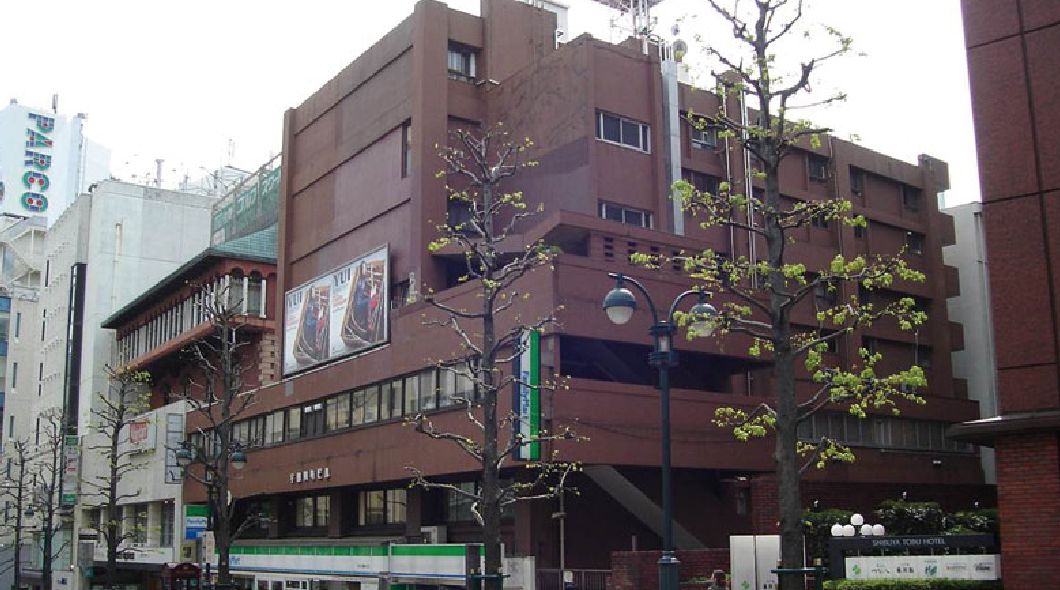
The building was built in 1961, when the road was still graveled. Architecturally, it’s classically “ugly” Shōwa architecture — a chunky set of brown Legos with tiny, single-pane windows and strange angles and hard edges. I love it. It looks related to the USSR. It’s difficult to imagine, but until very recently, Shibuya used to be Tokyo’s hinterlands, looking more like a wild west saloon town with rolling tumbleweeds than the place to do handstands in yoga wear in the middle of an intersection beneath screaming giant TVs while your boyfriend reluctantly films. Nakameguro was where you went to catch fireflies in fields.
The units in Udagawachō Jūtaku were sold (not rented), and the bathrooms came as plumbing only, no fixtures. So you’d bring your own (wooden!) bathtub and heater. The bathtub heating was vented out the roof so you didn’t die of carbon monoxide poisoning (more common in Japan than you’d think). Of course, having a bath in your home was itself unthinkably luxurious; there would have been half a dozen public sentōs within a square kilometer. So these were some OG mildly-fancy “mansions” popping up for aspirational middle-classers. There’s an interview with one of the original residents (archived) talking about the bath situation. Apparently, there was also a “banana ripening room” next door where bananas were ethylene-ripened before going to market.
Insanely, fifteen years earlier (1946) — just around the corner — there was a battle between Taiwanese mafia running the black market on that street, Shibuya police, and the Japanese yakuza (whom the police called in) involving hundreds of people, Molotov cocktails, and katana. The Taiwanese mafia had gone so far as to build a Chinatown gate — in a parallel universe only millimeters away from us, Dōgenzaka was successfully turned into a post-war Chinatown. The battle was euphemistically christened the “Shibuya Jiken” (“Shibuya incident”). It’s sort of funny to imagine a pop-up yakuza war with swords happening where American teenagers now sit in the street drinking conbini chū-hais, and morons flit around in “Mario Karts” much to the chagrin of all Tokyo residents. Many of us would trade the Karts for the occasional sword fight.
Anyway, Hamana’s 1961 building survived all the way to 2009 (thanks to earthquakes and firebombings, fifty years is a veritable eternity in Tokyo’s architectural history); rebuilding kicked off in 2011 and finished in 2013. Of course, the rebuild is a totally anodyne modern building. Like a building that was pushed through a cosmic planing machine, sanding off any aspect that might be deemed interesting or quirky. Here is the original on Google Streetview for you to explore (a kind of archeological blessing of a service). And then, after the rebuild.
By the numbers:
- 1961–2009: 7 stories, no basement floors, 16 residential units (60m2), no elevator.
- 2013: 13 stories (two below; parking), B1-3F commercial, 4F+ residential. 49 residential units — 30–60m2. Elevator and rooftop terrace.
Anodyne or not, this is one thing that Tokyo resolutely does well: build. moar. housing. But, god, you’d wish they’d do it with a little more style. Gone today are “real” materials (stone, wood, brick), in are towering glass facades. I’m sure the units are more comfortable, but also utterly without good funk. I can see why Hamana was the last holdout in the original.
And yes, although Tokyo is building more, it’s less affordable to the average office worker than ever: A single unit in this new building seems to be going for close to a million bucks. Which — even inflation adjusted — is probably more than all the units cost in that 1961 iteration.
If you want to see how that street in Shibuya has evolved over the decades, this blog (archived) has traced a number of film stills to real locations — starting in 1961 and finishing in 1988. It’s amazing how quickly it pops from dirt roads to canyon of commerce.
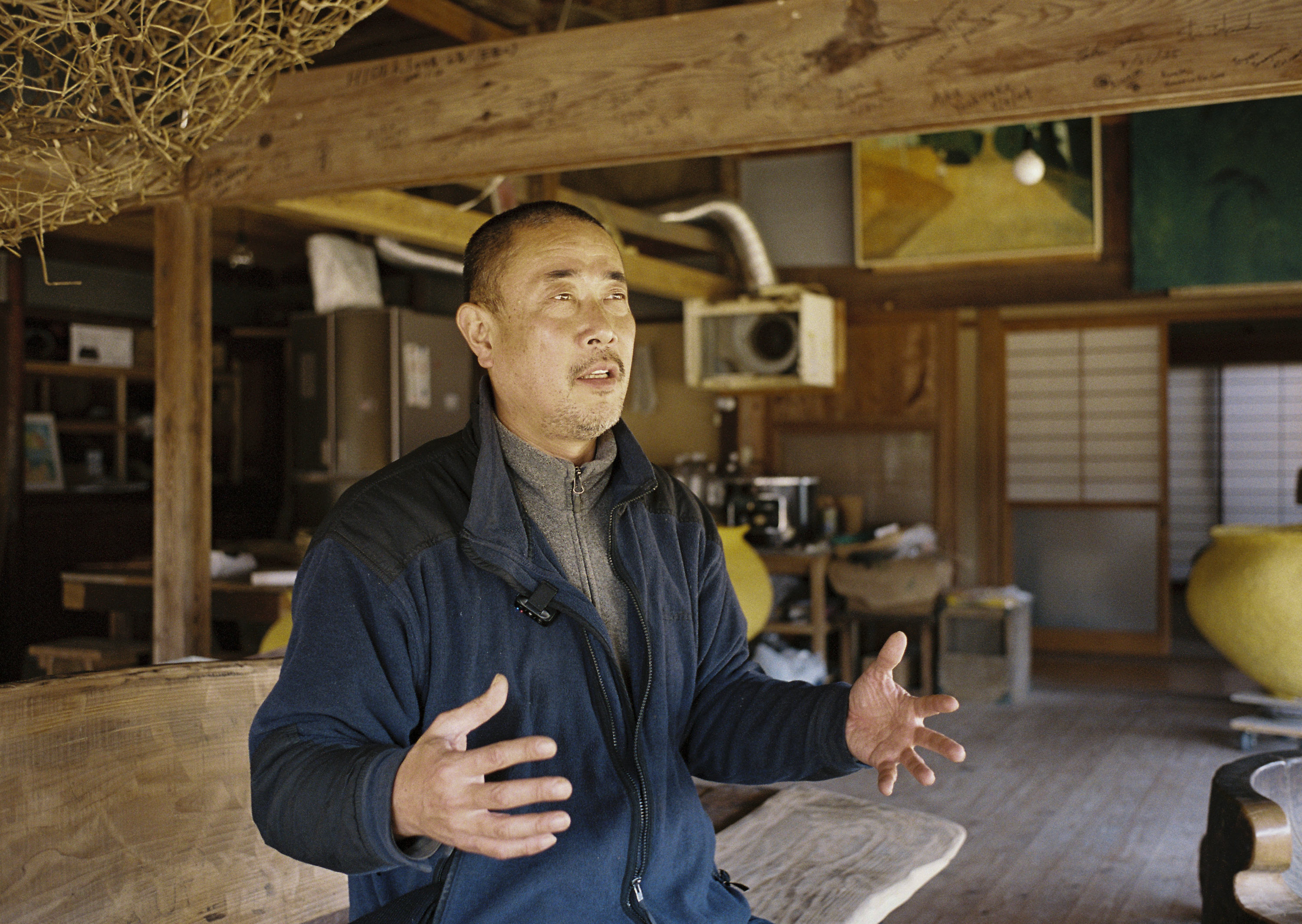
It was fun digging into that. As I said, Hamana has traded those Shibuya digs for a slower life in the country, curing sardines, firing pots, soaking in wood-heated baths, attempting to piece together creative community one old farmhouse at a time.
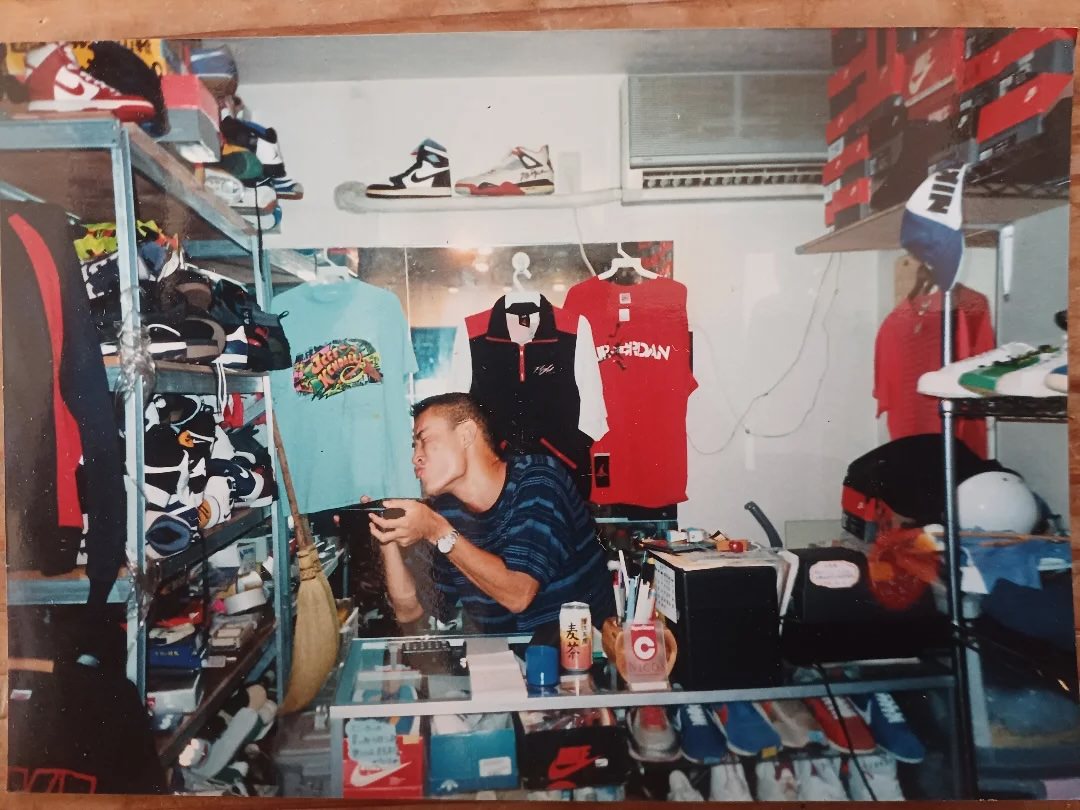
For posterity, here’s the introduction to my Apartamento interview with him (you should grab a copy of the whole thing though!). The interview was a blast and the rest of the issue “slaps,” as they (whoever they may be) say:
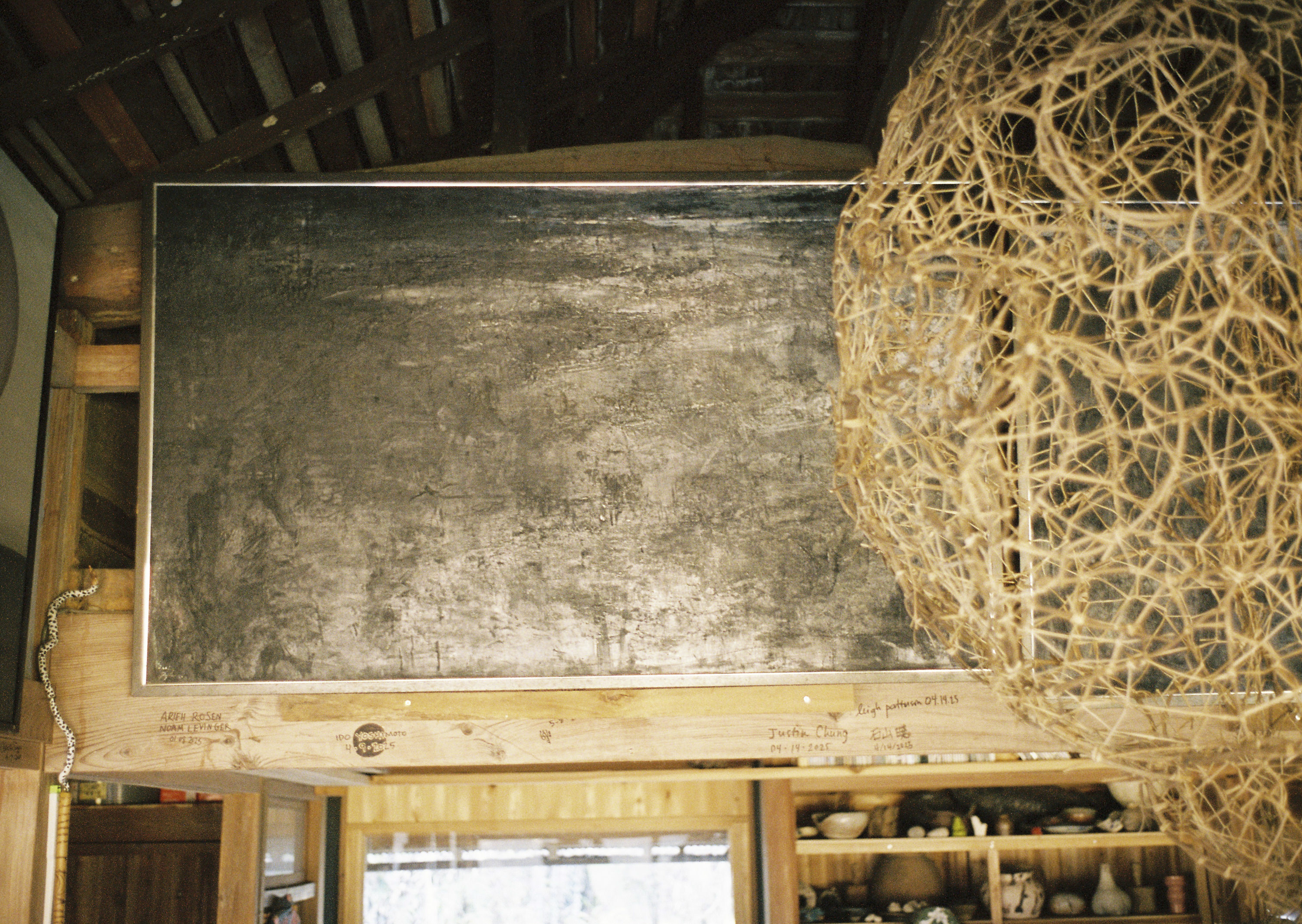
The closer I got to Kazunori Hamana’s studio, the more human-scaled and human-touched things became. The train left Tokyo Station — a kind of sprawling maze of inhumane density and commercialism, mass consumerism — and made its way east, towards Chiba, along the coast. The ocean spread out to the right of the carriage. Suddenly the smallness of the passages beneath Tokyo Station felt distant. An infinitude of wetness dominated the view. To the left of the carriage, suburban sprawl gave way to farmland and rice fields. Things were being grown, cultivated. Men and women and children touched dirt. The universe the train hurtled past became more and more seasonal.
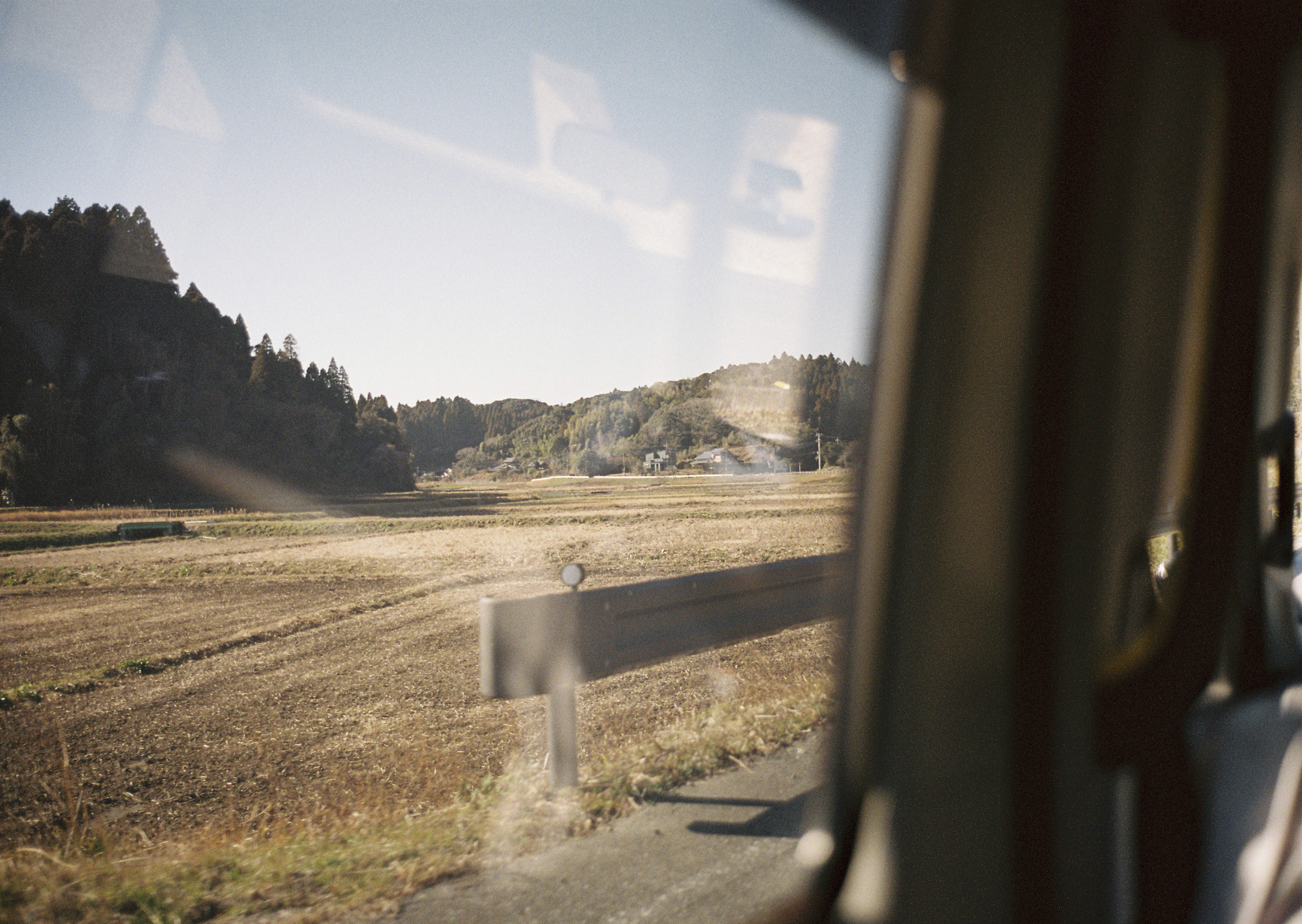
Paradoxically, the cosmic scale of things also began to increase. As the buildings got smaller, the sky expanded. Nature was filling in all the gaps otherwise occupied by man-made materials, apartments, towers, airplanes, electrical wires. Plastics disappeared, wood prevailed. Homes were old and wind-worn. The cab ride from Kazusa-Ichinomiya to Hamana’s farmhouse studio was rural in the extreme. Few other cars were on the road. Rice fields dominated.
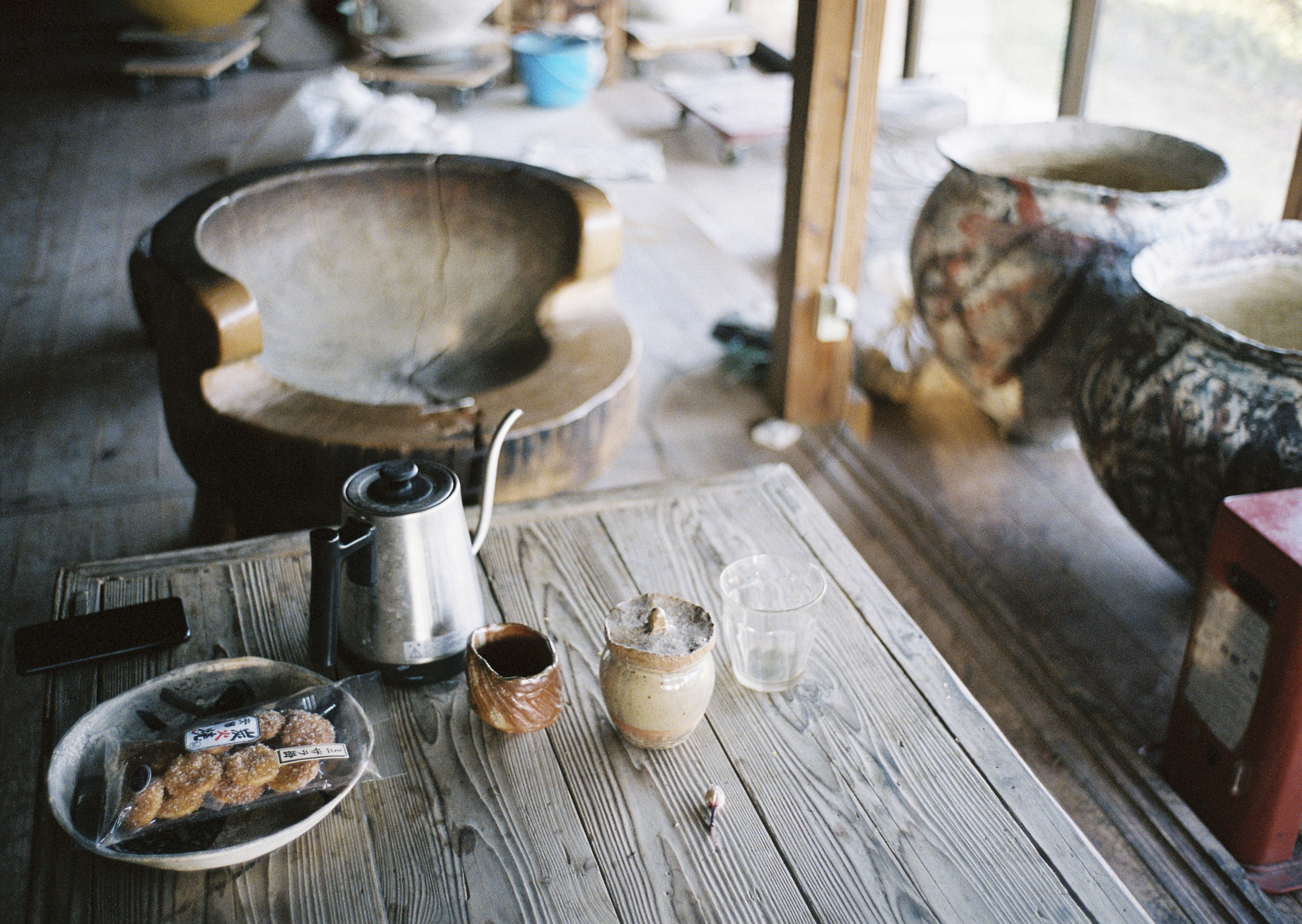
The closer I got, the more obvious Hamana’s work became. Ceramics like his could only be made out here, among the frogs. Though he spent a big chunk of the ’90s and the aughts in Tokyo proper — right in the heart of the chaos machine, living in a vintage apartment next to Parco in Shibuya, driving around in a Ferrari F355 — there was no way the work he produces today could have been done there. And something about having lived in that mania seemed to imbue his work with the permission to find peace out here, living between forest and ocean and mountain and river.
I didn’t know precisely where his property began. My cab didn’t quite know where to stop. It backed up. Down a slope came Hamana waving, grinning. We shook hands and, pointing a bit further down the road, he told the cabbie: The proper place to drop folks off is over there. He continued: There’s going to be more people coming here, so make sure to remember.
As we walked up a small hill to his home I said that I had read he owned a couple homes. A couple? he laughed. I own about twenty now.
He invited me in, made me tea, and then our interview began.
Not subscribed to Ridgeline?
(A weekly letter on walking in Japan)
This essay is from the Ridgeline newsletter, mailed out July, 2026. Thoughts? Email me@craigmod.com.

Craig Mod is a writer and photographer based in Japan. He's the author of the books Things Become Other Things and Kissa by Kissa and is a MacDowell, Ragdale, and VCCA writing fellow. His essays and articles have appeared in The New York Times, Eater, The Atlantic, California Sunday Magazine, Wired, Aeon, New Scientist, Virginia Quarterly Review, The New Yorker, The Morning News, Codex: Journal of Typography, and elsewhere.
He writes newsletters, oh yes, newsletters: Roden & Ridgeline.
The work on this site is supported 100% by paid memberships and book & print sales.
Whatever you do, don't follow @craigmod on Bluesky or Instagram.